শিল্পী-মন, সৃষ্টি-চেষ্টা, বারান্দা, ও ছাদ

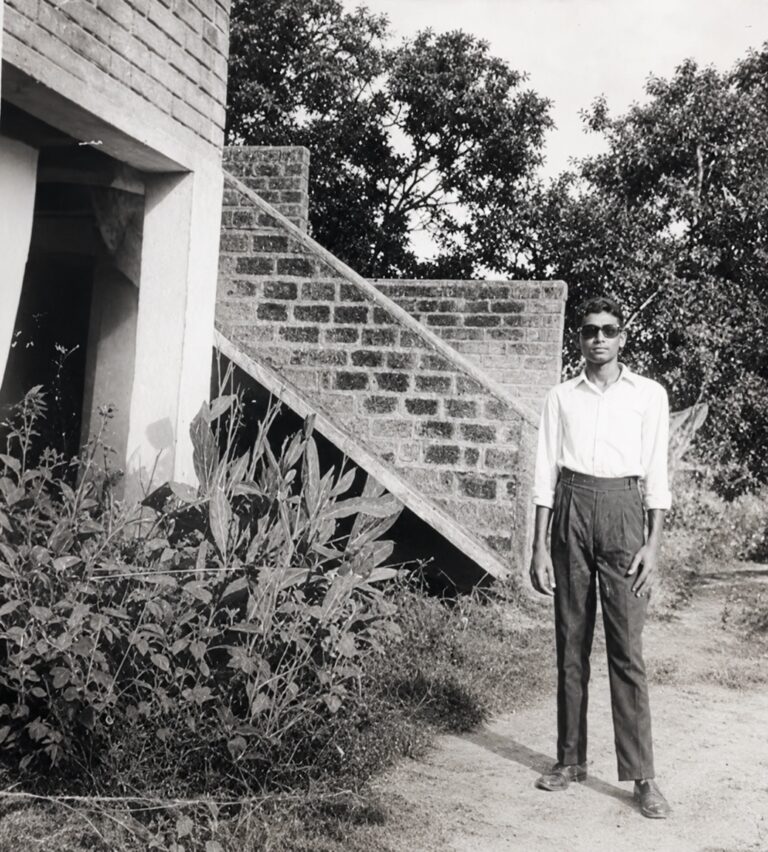
তখন ১৯৭২, স্থান রাইফেল ক্লাব ওয়েস্ট, বাঁশদ্রোনী ।

এই সিড়িটা উঠে গিয়েছে এক মন ভোলানো ছাদে, যেখানে ভালোবাসার ব্যথায় বহু চোখ উদাস চোখে আকাশ দেখেছে, কখনও বা বেশ কিছু মানুষ নানা রঙ সুর আর ভালোবাসা মেলানো সৃষ্টিতে মশগুল হয়েছে, কখনও বা কোনও রাগী মন ইঁট-বালিশে শুয়ে রাগ প্রকাশ করেছে – আরও কত জানা-অজানা ভাবের সাক্ষী ওই ছাদ|

মনে পড়ে, গৌরী প্রসন্ন বা শক্তি ঠাকুর, বা শিল্প-ভাবনায় ডুবে থাকা অন্য বহু মন ওই তার-কাঁটা ঘেরা পরিসরে মন উজাড় করে শিল্প সৃষ্টি করেছে| কখনও গান, কখনও কবিতা, কখনও তবলা, বা কখনও নাটক নিচের ঘেরা বারান্দা থেকে ওপরের ছাদ সব মিলিয়ে স্বচ্ছন্দে ছোটাছুটি করে বেড়িয়েছে|

ছোড়দির উঠল বাই কটক যাই স্টাইলে হঠাৎ হঠাৎ সৃষ্টি, মনের খুশিতে গান গাওয়া, কবিতা লেখা, আর অনুষ্ঠানের আয়োজন| সেই অনুষ্ঠানে বাড়ীর মানুষ, প্রতিবেশী শিল্পী আর নাম করা শিল্পীরাও মহা আনন্দে স্বতস্ফূর্ত যোগ দিতেন|   

বড় জ্যাঠার শৈল্পিক মন এতই বিস্তৃত – এত রকমারী – তা ধরে বুঝে নেওয়া কঠিন| গান – সাহিত্য – পাক-কলা, ওঁর অভিব্যক্তির ঢং – শৈলী এসব নিয়ে বলা শুরু করলে কোথায় ঠেকবে জানিনা| ওঁকে নিয়ে কখনও আলাদা করে গল্প বলার ইচ্ছে রইল| মেজদি আবার চুটিয়ে ছবি আঁকত – কবিতাও লিখত|  কিটুর প্রচণ্ড আবেগ, প্রচণ্ড চেষ্টা, ক্ষুরধার বুদ্ধি – সে তো দিনে 11 ঘণ্টা 21 দিন তবলা রিয়াজ করবে প্রতিজ্ঞা করে বাজনা শুরু হল| তার পর হাত ফেটে রক্ত – তারপরও ব্যানডেজ বেঁধে প্রতিজ্ঞা পুরো করা| এই তীব্র ইচ্ছে আর চেষ্টা ওই পরিসরেই জন্ম নিয়েছে – প্রকাশিত হয়েছে| আমিও সেতার বগলে কখনও হাজির হয়ে যেতাম আনন্দে ভাসতে|    

মনে পড়ে ঠাকুর ঘরের খাটে বসে দিদিনের গানের রেয়াজ সাথে সমীর মজুমদারের গম্ভীর ঠেকা আর বিলম্বিত একতালের আবর্তনের স্নিগ্ধ অনুভূতি। দরজা পেরিয়ে বারান্দা, সেখানে ইজি চেয়ারে চোখ বন্ধ করে জ্যাঠার গান শোনা।

সেজদির মজা নেওয়াটা অন্যরকম  ছিল। সে অন্যের সৃষ্টিতে মশগুল। মাঝের ঘরের খাটে প্রায়ই সেজদিকে দেখা যেত। কখনও বসে, কখনও শুয়ে, বইয়ের নিচে বই গুঁজে চুপি চুপি উল্টোরথ পড়া, কখনও মলাট-খোলা শরৎচন্দ্র, শঙ্কর, সমরেশ বসু, বা প্রবোধ সান্যাল| কম বয়সের অহেতুক বাঁধনের বেড়া ও বুদ্ধি করে বাঁধন এড়ানোর মজা, বুঝে বা না-বুঝে সেজদির অনুভূতির ব্যাঙ্কে জমা হতেই থাকত|      


দাদুর ডাইকোটমি

English Translation. Hindi Translation

আমাদের ছোট্ট দাদু বড় হতে হতে 145 বছরের হয়ে গেল|পুরনো সামাজিকতায় বেঁধে লিখলে আপনি সম্বোধনেই লেখার কথা| কিন্তু, আমি তো সৃষ্ঠিছাড়া| কোনোদিনই দাদুকে আপনি বলে ডাকিনি, তাই আজও ডাকব না| আপনি আজ্ঞে এসব আমার পাপা, জ্যাঠা, পিসিরা ব্যবহার করত, আমরা নাতি নাতনি, প্রোনাতি, প্রোনাতনিরা ওসব পরনো পোষাকি রং-ঢং এ বিশ্বাসী ছিলাম না| আমরা সব্বাই দাদুকে খুব ভালবাসতাম আর মনের আনন্দে তুমি বলতাম, দাদুও আমাদের কোনদিন আপত্তি জানায়নি| দাদু যদি ওই গম্ভীর গলায় “না” বলে উঠত তাহলে কার কি জো ছিল যে অন্য কিছু হয়| লোকে বলে ওঁর দাপটে নাকি বাঘে গরুতে একই ঘাটে জল খেত|

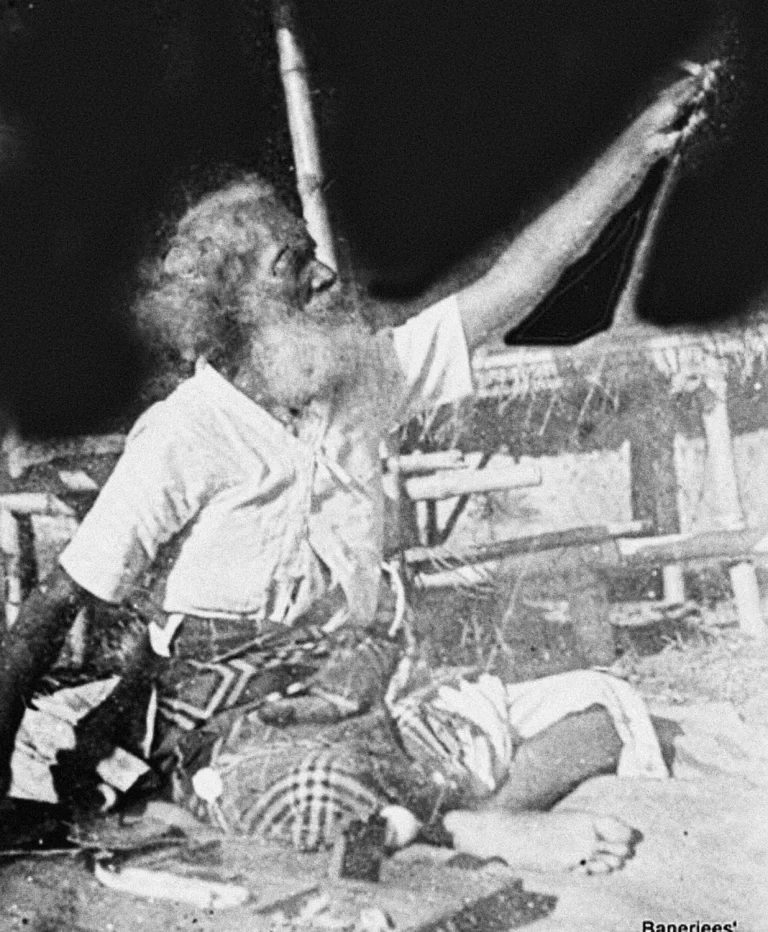
দাদুর যে চেহারাটা আমাদের কিছু মানুষের মনে এখনও গেঁথে আছে তাতে লম্বা সাদা দাড়ি, গেরুয়া ধুতি-চাদর, একটা বেতের লাঠি, একটা চরখা, একটা কাঠের ডেস্ক, দাগ টানা খাতা, দোয়াত-কলম, একটা চিনে মাটির কাঁধ-উঁচু বড় খাবারের প্লেইট, একটা বড় খাবার চামচ, কাটা, একটা ইজি চেয়ার, খিচুড়ি-তেতো-তরকারি-দই সব একসাথে মিলিয়ে মাধুকরী, সব মিলিয়ে বহু কনট্রাস্ট, বহু রং – একটার সাথে অন্যটা মেলানো খুব মুশকিল|

আমি যখন দশ বছর ছাড়িয়ে এগারোতে এলাম তখন থেকেকে আর দাদুকে দেখতে পাইনা, বাইরের দিকে না তাকিয়ে ভেতরে তাকিয়ে দেখতে হয়| আমি তো দাদুকে ঝক-ঝকে দেখতে পাই| আমার চোখে ফরসা, টাক মাথা, লম্বা সাদা দাড়ি, ধুতি-ফতুয়া-চাদর এটা দাদুকে দেখা চেহারা, অন্য-রকম একটা দাদু আছে সেটা শোনা আর মনের সাজে সাজিয়ে নেওয়া|

দাদু তখন আমাদের সাথে বেহালায় আমাদের ভাড়াবাড়ীতে| দাদুর একটা আলাদা ছোট ঘর ছিল, আমার বাকিরা অন্য একটা বড় ঘরে থাকতাম| একদিন দাদু বলল, “চলো সোনাভাই, আমি আমার এক পুরনো ছাত্রের দেখা পেয়েছি| চলো, তোমাকে একদিন আমার ছাত্রর কাছে নিয়ে যাব|” আমি তো খুব এক্সসাইটেড হয়ে পড়লাম|শেষে একদিন বিকেলবেলা দাদুর হাত ধরে বেরিয়ে পড়লাম| আমরা তখন 36বি বেচারাম চ্যাটার্জী রোডের ভাড়াবাড়িতে  থাকি, যেটা পরে নম্বর বদলে 28 নম্বর হয়ে গিয়েছিল|

সে যা হোক, আমরা বাড়ি থেকে বেরিয়ে সরশুনার দিকে হাঁটতে থাকলাম| অবশেষে দাদুর সেই ছাত্রের ডেরা আসল| দেখলাম সেটা একটা বুড়োদের আসর| ওদের মধ্যে দাদুকে এক বড় দাড়ি ওয়ালা বুড়ো, পরে বুঝেছিলাম ও দাদুর স্টাইল এ দাড়ি বাড়ানোর চেষ্টা করছিল, উঠে আসলো| আরে, আসুন আসুন| তারপরে সশ্রদ্ধায় প্রণাম| দাদু অল্পসময় বসলেন আর তারপর বাড়ির দিকে হাঁটতে শুরু করলেন| আসতে আসতে দাদু বলল, তার এই ছাত্রটি ওঁর কলেজে পড়ত| আপনারা  তো জানেন, দাদু ময়নামতী সার্ভে কলেজ এর প্রিন্সিপাল ছিলেন| উনি প্রিন্সিপাল ছিলেন এটা একটা প্রচলিত খবর, অনেকেই জানেন, কিন্তু আমি কখনও ওর বিপক্ষের লন্ডন থেকে আসা ইনকোয়ারি অফিসারের দাদুকে সোজা প্রশ্ন “Are you a wrangler?” নিয়ে আসর জমানোর ইচ্ছে রইল.

টিপ্পনী: At the University of Cambridge in England, a “Wrangler” is a student who gains first-class honours in the Mathematical Tripos competition. 

Click to know more: https://en.wikipedia.org/wiki/Wrangler_(University_of_Cambridge)            

Yesterday was dadu’s 146th Birthday. [b. Ramanavami 1880, d. 14 June 1985]. I designed. a Birthday card for him. Here it is:

আমি এই ভিডিওটা অনেককে.পাঠিছিলাম. ছোড়দির কাছ থেকে প্রায় সাথে সাথেই উত্তর পেলাম । ও লিখলো : “অসাধারণ অপূর্ব অদ্ভূত সুন্দর– করলি কি করে???!!!!”

আমি দুষ্টুমি করে উত্তর দিলাম…

এটা খুউবই সোজা। এটা তুইও ছোটবেলায় করেছিস, একে আমরা বলতাম প্ল্যানচেট|

দাদুকে ডাকলাম, বললাম সাহেবী পোশাকে নেকটাই পড়ে চলে এসো| তারপর “হ্যাপি বার্থডে টু ইউ”, কিছু বেলুন উড়িয়ে ভিডিও করতে শুরু করে দিলাম| জানিস তো দাদু কিছুতেই বেশিক্ষণ থাকল না — চলে গেল| ভাগ্যিস একটু ভিডিও করে রেখেছিলাম, দ্যাখ, তুইও দেখতে পেলি|  

বিশ্বাস করলি না তো? জানি করবি না| কথায় বলে, “বিশ্বাসে মিলায় দাদু, তর্কে বহুদূর|”   

কলকাতা | 28/03/2026

English Translation

Dadu’s Dichotomy

Our little “Dadu” (grandfather), as time passed, turned 145 years old. According to old social customs, one is supposed to address elders formally while writing. But I’ve always been a bit unconventional. I never addressed Dadu formally, and I won’t start today either. That kind of formal “you” was used by my father, uncles, and aunts. We—his grandchildren and great-grandchildren—never really believed in those old-fashioned formalities.

We all loved Dadu dearly and happily addressed him informally as “you.” And Dadu never objected. If he had ever said “no” in that deep, serious voice of his, no one would have dared to go against it! People used to say that such was his authority that even a tiger and a cow could drink water from the same ghat under his influence.

The image of Dadu that is still etched in some of our minds includes a long white beard, saffron dhoti and shawl, a cane stick, a spinning wheel, a wooden desk, lined notebooks, ink and pen, a large high-edged porcelain plate, a big serving spoon, a fork, an easy chair, and meals of khichuri, bitter vegetables, curry, and curd all mixed together like “madhukari.” Altogether, he was a striking blend of contrasts and colors—hard to reconcile into a single picture.

When I crossed ten and turned eleven, I could no longer see Dadu outwardly; I had to look inward to find him. But in my mind’s eye, I see him clearly—fair-skinned, bald-headed, with a long white beard, dressed in dhoti, vest, and shawl. That is the Dadu I have seen. The other version of him is something I’ve only heard about and imagined in my own way.

Back then, Dadu lived with us in our rented house in Behala. He had a small separate room, while the rest of us stayed in a bigger one. One day, Dadu said, “Come, Sonabhai, I’ve found one of my old students. Let me take you to meet him.” I was very excited. Finally, one afternoon, holding Dadu’s hand, I set out with him. We were then living at 36B Becharam Chatterjee Road, which was later renumbered as 28.

Anyway, we walked from our house towards Sarsuna. At last, we reached the place where that student lived. It turned out to be a gathering of elderly men. Among them, one old man with a large beard—later I realized he was trying to imitate Dadu’s style—came forward warmly to receive him. “Ah, please come, please come!” he said, and then bowed respectfully.

Dadu sat for a short while, and then we started walking back home. On the way, Dadu told me that this man had been his student in college. As you know, Dadu was the principal of Moynamoti Survey College. Many people are aware of this fact. But I’ve always been curious to recreate that moment when an inquiry officer from London asked him directly, “Are you a wrangler?”

Note: At the University of Cambridge in England, a “Wrangler” is a student who earns first-class honours in the Mathematical Tripos.

Yesterday was Dadu’s 146th birthday.
(Born on Ramanavami, 1880 – Died on 14 June 1985.)
I designed a birthday card. Here it is.

Hindi Translation

हमारे छोटे से दादू उम्र बढ़ते-बढ़ते 145 साल के हो गए। पुरानी सामाजिक परंपराओं के अनुसार लिखते समय उन्हें औपचारिक “आप” कहकर संबोधित करना चाहिए। लेकिन मैं तो हमेशा से थोड़ा अलग रहा हूँ। मैंने कभी भी दादू को “आप” नहीं कहा, इसलिए आज भी नहीं कहूँगा। “आप-आज्ञा” जैसी बातें मेरे पापा, चाचा और बुआ लोग इस्तेमाल करते थे; हम—नाती, नातिन, परनाती, परनातिन—इन पुराने औपचारिक ढंगों में विश्वास नहीं रखते थे।

हम सब दादू को बहुत प्यार करते थे और दिल से उन्हें “तुम” कहकर बुलाते थे। दादू ने भी कभी कोई आपत्ति नहीं की। अगर वे अपनी उस गंभीर आवाज़ में “ना” कह देते, तो किसी की क्या मजाल थी कि कोई और कुछ करता! लोग कहते हैं कि उनके रौब में तो बाघ और गाय भी एक ही घाट पर पानी पीते थे।

दादू की जो छवि आज भी हममें से कुछ लोगों के मन में बसी है, उसमें एक लंबी सफेद दाढ़ी, गेरुआ धोती-चादर, एक बेंत की लाठी, एक चरखा, एक लकड़ी की मेज़, लाइन वाली कॉपियाँ, दवात-कलम, एक ऊँची किनारी वाली बड़ी चीनी मिट्टी की थाली, एक बड़ा चम्मच, कांटा, एक ईज़ी चेयर, और खिचड़ी, कड़वी सब्ज़ी, तरकारी, दही सबको मिलाकर बना “माधुकरी”—सब कुछ शामिल है। कुल मिलाकर कई तरह के विरोधाभास, कई रंग—जिन्हें एक साथ मिलाना आसान नहीं।

जब मैं दस साल पार करके ग्यारह का हुआ, तब से मैं दादू को बाहर से देख नहीं पाता; उन्हें देखने के लिए भीतर झाँकना पड़ता है। लेकिन मेरी आँखों में दादू साफ-साफ दिखाई देते हैं—गोरा रंग, गंजा सिर, लंबी सफेद दाढ़ी, धोती-फतुआ-चादर पहने हुए। यही वह रूप है जिसमें मैंने दादू को देखा है। दादू का एक और रूप है, जिसके बारे में केवल सुना है और मन में कल्पना करके सजाया है।

उस समय दादू हमारे साथ बेहाला में हमारे किराए के घर में रहते थे। उनका एक छोटा अलग कमरा था, और हम बाकी लोग एक बड़े कमरे में रहते थे। एक दिन दादू ने कहा, “चलो सोनाभाई, मुझे मेरा एक पुराना छात्र मिला है। चलो, तुम्हें एक दिन उससे मिलवाता हूँ।” मैं तो बहुत उत्साहित हो गया। आखिर एक दिन शाम को दादू का हाथ पकड़कर निकल पड़ा। तब हम 36B बेचाराम चटर्जी रोड के किराए के घर में रहते थे, जिसका नंबर बाद में बदलकर 28 हो गया।

खैर, हम घर से निकलकर सरशुना की ओर पैदल चलने लगे। आखिरकार दादू के उस छात्र का ठिकाना आ गया। देखा, वह बूढ़े लोगों की एक महफ़िल थी। उनमें से एक बड़ी दाढ़ी वाला बूढ़ा—बाद में समझ आया कि वह दादू की शैली में दाढ़ी बढ़ाने की कोशिश कर रहा था—उठकर आया और बोला, “अरे, आइए, आइए!” फिर उसने श्रद्धा से प्रणाम किया।

दादू थोड़ी देर बैठे, फिर हम घर की ओर लौटने लगे। रास्ते में दादू ने बताया कि यह उनका छात्र उनके कॉलेज में पढ़ता था। आप तो जानते ही हैं, दादू मयनामती सर्वे कॉलेज के प्रिंसिपल थे। यह बात काफ़ी प्रचलित है और बहुत लोग जानते हैं। लेकिन मेरे मन में हमेशा यह इच्छा रही कि उस लंदन से आए इनक्वायरी ऑफिसर और दादू के बीच हुई सीधी बातचीत—“Are you a wrangler?”—को लेकर एक सभा जमाऊँ।

टिप्पणी: इंग्लैंड के कैम्ब्रिज विश्वविद्यालय में “Wrangler” उस छात्र को कहा जाता है जो Mathematical Tripos परीक्षा में प्रथम श्रेणी में उत्तीर्ण होता है।
और जानने के लिए: https://en.wikipedia.org/wiki/Wrangler_(University_of_Cambridge)

यह तो बहुत ही आसान है। यह तुमने भी बचपन में किया है—इसे हम “प्लांचेट” कहते थे।

मैंने दादू को बुलाया और कहा—साहबी कपड़े पहनकर, नेकटाई लगाकर आओ। फिर “हैप्पी बर्थडे टू यू” गाया, कुछ गुब्बारे उड़ाए और वीडियो बनाना शुरू कर दिया। तुम तो जानते ही हो, दादू ज़्यादा देर रुके नहीं—चले गए। अच्छा हुआ कि थोड़ा वीडियो बना लिया था—देखो, तुम भी देख पाए।

यकीन नहीं हुआ न? मुझे पता था, नहीं होगा। कहा भी जाता है—
“विश्वास में दादू मिलते हैं, तर्क में बहुत दूर चले जाते हैं।”

বগলা প্রসন্ন, স্যান্ডহার্স্ট, ও চার্চিল

English translation Hindi Translation

কিছু শোনা গল্প

গত-রাত্রে আবিষ্কার করলাম যে আমি শুনে শুনে অনেক কিছু জানি, কিন্তু এ খবরটা আমার কাছেই ছিলনা। গতকাল ছেলে আর তার বৌ আমাকে বগলদাবা করে দাদা-বৌদির সল্টলেকের বাড়িতে নিয়ে গিয়েছিল, সেখানেই এই অবাক-জ্ঞান প্রকট হ’ল। কেন কি ব্যাপার এসব বলতে গেলে পুরো মজাটাই চটকে যাবে। কিন্তু যে আইডিয়াটা এলো তা হচ্ছে “শোনা গল্প” এই নামে একটা সিরিজ শুরু করতে হবে। সিরিজের প্রথম গল্প “বগলা প্রসন্ন, স্যান্ডহার্স্ট, ও চার্চিল”।

[সঞ্জয় বন্দ্যোপাধ্যায়, মার্চ 22, 2026]

বগলা প্রসন্ন, স্যান্ডহার্স্ট, ও চার্চিল

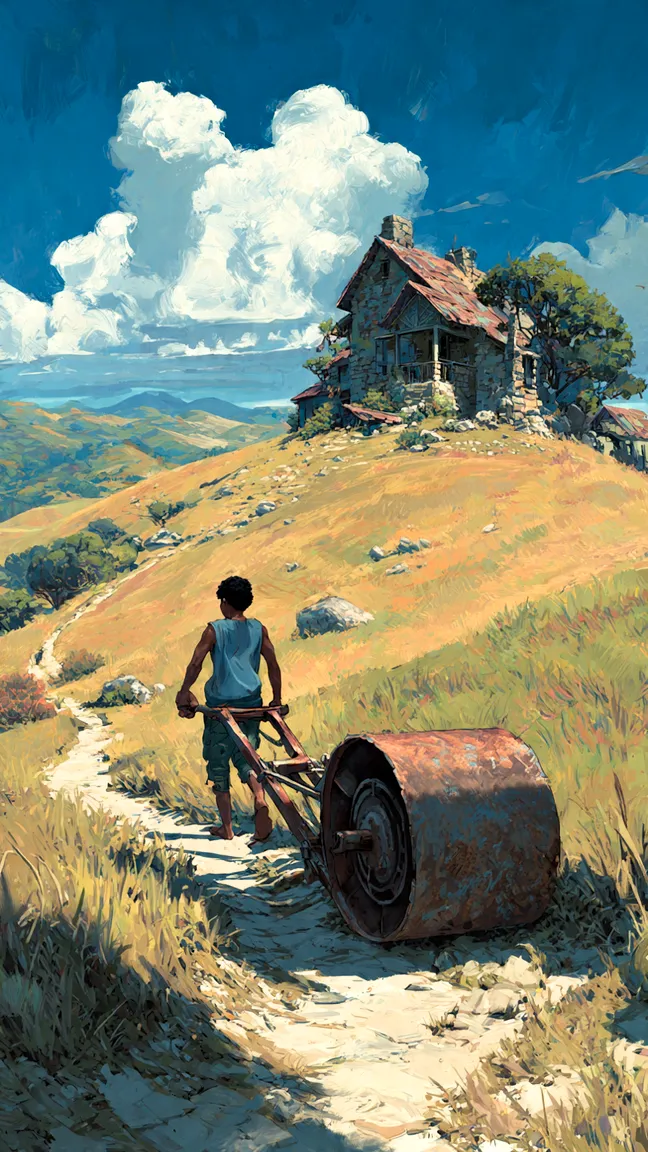
সেটা ছিল 1923, বগলা প্রসন্নর বয়স তখন বছর পনেরো হবে। ডানহাতে ভারী রোলার আর বা-কাখে বছর তিনেকের ছোট ভাই খোকনকে নিয়ে টিলার ওপরে বাড়িতে পৌঁছন বগলার খেলার মধ্যেই পড়ত। সুঠাম শরীর আর শক্তি দেখে অ্যাশ-পাশের মানুষ প্রশংসার চোখে তাকিয়ে থাকত। গল্পের সূত্রপাত এখান থেকেই।

সেদিন রবিবার, রাজেন্দ্রলালের বাড়িতে সাজ-সাজ রব, কেউ টেবিল সাজাচ্ছে তো কেউ চেয়ার মুছছে, সব ঝকঝকে দেখাতে হবে। নতুন চিনামাটির প্লেট, ছুড়ি, কাঁটা, চামচ সব থরে থরে সাজানো হচ্ছে, তাড়া-হুড়োতে মাঝে মাঝেই বাসনে-বাসনে ঠকাঠুকির আওয়াজ পাওয়া যাচ্ছে। সকাল 11-টা নাগাদ খবর এলো ডিস্ট্রিক্ট ম্যাজিস্ট্রেট সাহেব পৌঁছে গেছেন। হঠাৎ করেই পুরো বাড়ী শান্ত হয়ে গেল। কোট প্যান্ট টাই বুট পরা টক টকে গোরা সাহেব চার্লস জিওফ্রে বাকল্যান্ড স্টিভেনস  তার গাউন পরা বৌকে নিয়ে গট গট করে হেঁটে ওপরে উঠে এলেন। রাজেন্দ্রলাল তখন এগিয়ে এসে “গুড মর্নিং মিস্টার স্টিভেনস, হ্যালো ম্যাডাম গুড মর্নিং” করে অভ্যর্থনা জানালেন। আসুন আসুন করে অতিথিদের বসান হল, সামনে বড় টেবিল তাতে যত্নে সাজানো বাগান থেকে সদ্য তুলে আনা থোকা থোকা ফুল।

রাজেন্দ্রলাল তাঁর বড়ছেলেকে ডাকলেন, “খোকা, এদিকে আয়।“ বালক বগলা প্রসন্ন মাথা উঁচু পিঠ সোজা করে ঘরে ঢুকল। ব্যাপারটা সাহেবের কিছুটা অন্যরকম লাগল। সাহেব ভাবলেন “Indian kids are rarely this confident!” বগলা প্রসন্ন এগিয়ে এসে সাহেবের সাথে হাত মেলালেন। ১৫ বছরের বগলা আর ৪৩ বছরের স্টিভেনস। মিলিটারি ট্রেইন্ড সাহেবের বজ্রমুষ্টি বগলার হাতে পড়ল। বগলা বুঝল যে সাহেব হাত শক্ত করছে, সেও হাতের শক্তি বাড়াতে শুরু করল। সাহেব শক্তি বাড়াচ্ছে তো বগলাও বাড়াচ্ছে। ৪৩বছরের স্টিভেনস আর  ১৫র বগলার এই ছোট্ট শক্তি যুদ্ধে সাহেব বুঝলেন যে এই বাচ্চার প্রতিভা আছে। স্টিভেনস ততক্ষণে ইমপ্রেসড হয়ে গ্যাছেন, ওঁর মিলিটারি ইনস্টিংট কাজ করতে শুরু করেছে। বগলা ঘর থেকে চলে যাবার পর সাহেব মুখ খুললেন। বললেন, “Mr. Banerjee, let me tell you something. I think, your son Bagala will do good if he goes through military training. What do you think?  I shall be glad to check out the possibilities.” রাজেন্দ্রলাল বললেন, “Certainly, Sir, whatever you think good. I shall be very glad.”  

এর পর স্টিভেনস সাহেব ইংল্যান্ডে ওর এক বন্ধুকে চিঠি লিখে পুরো ব্যাপারটা জানান। বন্ধু চার্চিল তখন সেক্রেটারি অফ স্টেট অফ ওয়ার। চার্চিল, হ্যাঁ, ঠিক ধরেছেন স্যার উইনস্টন চার্চিল যিনি পরে ব্রিটিশ প্রিমিয়ারে হয়েছিলেন। উনি স্যান্ডহার্স্টে, মানে রয়েল মিলিটারি একাডেমি স্যান্ডহার্স্টএ বগলা প্রসন্নের ভর্তির জন্য সুপারিশ করেন। প্রসঙ্গত বলে রাখি ভারত-পাকিস্তানের 1965-র যুদ্ধের দুই-পক্ষের সেনা-প্রমুখ জেনারেল জে এন চৌধুরী ও জেনারেল আয়ুব খান দুজনেই 1920’র দশকে একই সাথে  স্যান্ডহার্স্টে প্রশিক্ষিত হন।

স্যান্ডহার্স্ট থেকে বগলা প্রসন্নের ভর্তির চিঠি ছাড়া হয়, সে চিঠি যখন কুমিল্লার ময়নামতী পৌঁছয় তখন বগলা অসুস্থ, আর তার কিছুদিন পর উনি টাইফয়েড রোগে আক্রান্ত হয়ে মারা যান। ওর স্যান্ডহার্স্টে ভর্তি হয়ে নিজেকে প্রমাণিত করা আর হয়ে উঠলোনা। এই ধাক্কাটা খুব ভারী পড়ল। অনেকেই মনে করেন, এই ঘটনা সম্পূর্ণ পরিবারের বর্তমান ও ভবিষ্যৎকে সবলে নাড়িয়ে দিয়েছিল।      

English Translation

Stories Heard in Passing

Last night I discovered something about myself—that I know many things simply by listening, yet I was unaware of this fact myself. Yesterday, my son and his wife practically dragged me off to my elder brother and sister-in-law’s house in Salt Lake, and it was there that this surprising realization surfaced.

If I begin to explain why and how, the charm of the story will be lost. But the idea that emerged is this: I must start a series titled “Stories Heard in Passing.”

The first story in this series: “Bagala Prasanna, Sandhurst, and Churchill.”

[Sanjay Bandopadhyay, March 22, 2026]

Bagala Prasanna, Sandhurst, and Churchill

It was the year 1923. Bagala Prasanna was about fifteen years old. Carrying a heavy roller in his right hand and his three-years-younger brother Khokon tucked under his left arm, climbing up to their house on the hill was part of Bagala’s play. His well-built physique and strength drew admiring glances from people around. The story begins from here.

That day was a Sunday. At Rajendralal’s house there was a flurry of preparation—someone arranging the table, someone polishing chairs. Everything had to look spotless. New porcelain plates, knives, forks, and spoons were being laid out in neat rows. In the rush, the occasional clinking of utensils could be heard.

Around 11 in the morning, news arrived: the District Magistrate Sahib had reached. Suddenly, the entire house fell silent. Dressed in coat, pants, tie, and boots, the fair-skinned Englishman Charles Geoffrey Buckland Stevens walked in briskly with his gown-clad wife and went upstairs. Rajendralal stepped forward and greeted them warmly,
“Good morning, Mr. Stevens. Hello, Madam, good morning.”

The guests were seated. In front of them was a large table, carefully decorated with freshly picked clusters of flowers from the garden.

Rajendralal called out to his elder son,
“Khoka, come here.”

The young Bagala Prasanna entered the room, head held high, back straight. Something about him struck the Sahib as unusual. He thought to himself, “Indian kids are rarely this confident!”

Bagala stepped forward and shook hands with him. Fifteen-year-old Bagala and forty-three-year-old Stevens. The military-trained Sahib’s iron grip met Bagala’s hand. Bagala realized the Sahib was tightening his grip, and he began to increase his own strength in response. As Stevens tightened, Bagala matched him. In this brief contest of strength between a 43-year-old man and a 15-year-old boy, the Sahib quickly recognized the boy’s potential.

Impressed, Stevens’ military instinct was awakened. After Bagala left the room, he spoke:
“Mr. Banerjee, let me tell you something. I think your son Bagala will do well if he goes through military training. What do you think? I shall be glad to check out the possibilities.”

Rajendralal replied,
“Certainly, Sir. Whatever you think is good, I shall be very glad.”

After this, Stevens wrote to a friend of his in England explaining the entire matter. That friend was Churchill, who at the time was the Secretary of State for War. Yes, Sir Winston Churchill, who later became the British Prime Minister. He recommended Bagala Prasanna for admission to Sandhurst—the Royal Military Academy.

As a side note, it is worth mentioning that the commanding generals of both sides in the 1965 India–Pakistan war—General J. N. Chaudhuri and General Ayub Khan—were both trained at Sandhurst during the 1920s.

An admission letter for Bagala Prasanna was issued from Sandhurst. But by the time the letter reached Mainamati in Comilla, Bagala had fallen ill. Soon after, he succumbed to typhoid and passed away.

His journey to Sandhurst and the possibility of proving himself never came to fruition.

The shock of this loss was immense. Many believe that this single event deeply shook the entire family—both in its present and its future.          

Hindi Translation

सुनी-सुनाई कहानियाँ

कल रात मैंने अपने बारे में एक नई बात खोजी—कि मैं बहुत-सी बातें केवल सुनकर जानता हूँ, पर यह बात मुझे खुद ही पता नहीं थी। कल मेरा बेटा और उसकी पत्नी मुझे लगभग पकड़कर सॉल्ट लेक में मेरे बड़े भाई और भाभी के घर ले गए थे, और वहीं यह आश्चर्यजनक अनुभूति सामने आई।

क्यों और कैसे—यह बताने लगूँ तो कहानी का सारा मज़ा चला जाएगा। लेकिन एक विचार ज़रूर आया—“सुनी-सुनाई कहानियाँ” नाम से एक श्रृंखला शुरू करनी चाहिए।

इस श्रृंखला की पहली कहानी:
बगला प्रसन्न, सैंडहर्स्ट और चर्चिल”

[संजय बंद्योपाध्याय, 22 मार्च 2026]

बगला प्रसन्न, सैंडहर्स्ट और चर्चिल

वह वर्ष 1923 था। बगला प्रसन्न की उम्र तब लगभग पंद्रह वर्ष रही होगी। दाहिने हाथ में भारी रोलर और बाईं बाँह में अपने तीन साल छोटे भाई खोकोन को दबाए हुए, टीले पर बने घर तक चढ़ जाना बगला के लिए खेल जैसा था। उसका सुदृढ़ शरीर और ताकत देखकर आसपास के लोग प्रशंसा भरी नज़रों से देखते थे। कहानी की शुरुआत यहीं से होती है।

उस दिन रविवार था। राजेंद्रलाल के घर में खूब तैयारी चल रही थी—कोई मेज़ सजा रहा था, तो कोई कुर्सियाँ साफ कर रहा था। सब कुछ चमकदार दिखना चाहिए। नई चीनी मिट्टी की प्लेटें, छुरी, कांटे और चम्मच करीने से सजाए जा रहे थे। भाग-दौड़ के बीच बर्तनों की खनखनाहट भी सुनाई दे रही थी।

करीब सुबह 11 बजे खबर आई कि डिस्ट्रिक्ट मैजिस्ट्रेट साहब पहुँच चुके हैं। अचानक पूरे घर में सन्नाटा छा गया। कोट-पैंट, टाई और बूट पहने गोरे साहब चार्ल्स जियोफ्रे बकलैंड स्टीवन्स अपनी गाउन पहने पत्नी के साथ तेज़ी से चलते हुए ऊपर आए। राजेंद्रलाल आगे बढ़े और उनका स्वागत किया—
“गुड मॉर्निंग, मिस्टर स्टीवन्स। हैलो मैडम, गुड मॉर्निंग।”

मेहमानों को बैठाया गया। सामने बड़ी मेज़ थी, जिस पर बगीचे से अभी-अभी तोड़े गए फूलों के गुच्छे सलीके से सजाए गए थे।

राजेंद्रलाल ने अपने बड़े बेटे को बुलाया—
“खोका, इधर आओ।”

बालक बगला प्रसन्न सिर ऊँचा और पीठ सीधी करके कमरे में आया। यह बात साहब को कुछ अलग लगी। उन्होंने सोचा—भारतीय बच्चे इतने आत्मविश्वासी कम ही होते हैं!”

बगला आगे बढ़ा और साहब से हाथ मिलाया। पंद्रह साल का बगला और तैंतालीस साल के स्टीवन्स। सैन्य-प्रशिक्षित साहब की मजबूत पकड़ बगला के हाथ पर पड़ी। बगला समझ गया कि साहब अपनी पकड़ कस रहे हैं, तो उसने भी अपनी ताकत बढ़ानी शुरू की। जैसे-जैसे स्टीवन्स अपनी शक्ति बढ़ाते गए, बगला भी वैसा ही करता गया। इस छोटे-से शक्ति-परीक्षण में साहब ने समझ लिया कि इस लड़के में असाधारण क्षमता है।

स्टीवन्स प्रभावित हो चुके थे, उनका सैन्य अनुभव काम करने लगा। बगला के कमरे से बाहर जाते ही उन्होंने कहा—
“मिस्टर बनर्जी, मैं आपको एक बात बताना चाहता हूँ। मुझे लगता है कि आपका बेटा बगला सैन्य प्रशिक्षण के लिए बहुत उपयुक्त रहेगा। आप क्या सोचते हैं? मैं इस दिशा में संभावनाएँ देखने के लिए तैयार हूँ।”

राजेंद्रलाल ने उत्तर दिया—
“निश्चित रूप से, सर। आप जो उचित समझें, मुझे बहुत खुशी होगी।”

इसके बाद स्टीवन्स ने इंग्लैंड में अपने एक मित्र को पत्र लिखकर पूरी बात बताई। वह मित्र उस समय युद्ध विभाग के सचिव थे—चर्चिल। जी हाँ, वही सर विंस्टन चर्चिल, जो बाद में ब्रिटेन के प्रधानमंत्री बने। उन्होंने बगला प्रसन्न के लिए सैंडहर्स्ट—रॉयल मिलिट्री अकादमी—में प्रवेश की सिफारिश की।

यह उल्लेखनीय है कि 1965 के भारत-पाकिस्तान युद्ध के दोनों पक्षों के सेना प्रमुख—जनरल जे. एन. चौधुरी और जनरल अयूब खान—दोनों ने 1920 के दशक में सैंडहर्स्ट में प्रशिक्षण प्राप्त किया था।

सैंडहर्स्ट से बगला प्रसन्न के नाम प्रवेश-पत्र भेजा गया। लेकिन जब वह पत्र कुमिल्ला के मयनामती पहुँचा, तब तक बगला बीमार पड़ चुका था। कुछ ही समय बाद वह टाइफॉयड से ग्रस्त होकर चल बसे।

सैंडहर्स्ट जाकर स्वयं को सिद्ध करने का उसका सपना अधूरा रह गया।

इस घटना का आघात बहुत गहरा था। बहुतों का मानना है कि इस एक घटना ने पूरे परिवार के वर्तमान और भविष्य को गहराई से झकझोर दिया।

রুশাইর বিয়েতে রাজেন্দ্রলাল ও মোক্ষদা সুন্দরী

Click for English Translation

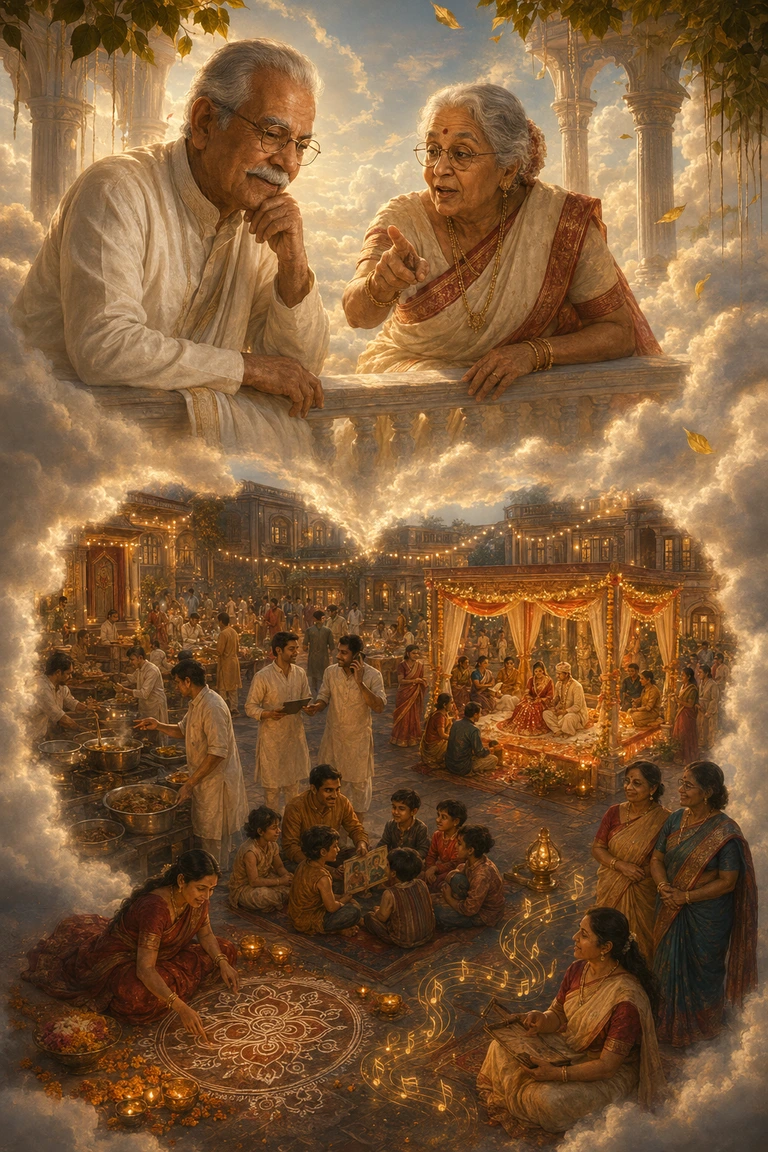
ভাবছিলাম যদি রাজেন্দ্রলাল আর মোক্ষদা সুন্দরী তাঁদের পুতির বিয়ের চিফ অ্যাডভাইজর হতেন আর লাল কেল্লার থামগুলোর মত সটান দাঁড়িয়ে তদারক করতেন। হয়ত’, প্রথমেই বলে উঠতেন, “খুকি, এদের তো জ্ঞান-গম্মি কিছুই নেই, তুইই একটু দ্যাখ। খোকনের নাতি, নাম বুঝি রুশাই,  সে যে কেমন, কেমন তার পছন্দ, এগুলো সব আগে বুঝে নেওয়া দরকার।“ বিয়ের যেভাবে জোগাড়-যন্ত্র চলছে তাতে  মোক্ষদা সুন্দরী তো অবাক; এতো বরিশালের নিয়ম আচরণ কিছুই জানেনা! আমরা না হয় ছোটবেলা বিয়ে করেছিলাম তার পর  ক্লাস ফোরের খুনশুটি করেছি, কিন্তু এগুলো তো সব বুড়ো-ধাড়ি হয়েও কিছুই পারেনা। মোক্ষদার মুখটা যেন লজ্জায় রাঙা হয়ে উঠল, “জান-তো, আমি বৃত্তি পরীক্ষায় পাশ করেছিলাম আর ও ফেল করেছিল। আমাকে খিমচি  দিয়ে রক্ত বের করে দিয়েছিল। পরে ওসব নানা ল্যাজ জুড়লে কি হবে। ম্যাকমিলনের বই, রায়সাহেব— ও সব জানা আছে।“

আমি বলি কি, খোকার মত কেউ একজন সবল মানুষ থাকলে এদের সুবিধে হোত। আমাদের খোকাকে এরা কেমন যেন ভুলে গেছে, মাঝে মাঝে বেশ কষ্ট হয়। তবে, ঘেটুর ব্রিলিয়ান্ট মাথা, ও অনেকটা সাহায্য করে দিতে পারবে। কোনও ঝুট-ঝামেলা হলে লাকি আছে, সামলে নেবে।

খোকন তো অনেকটা ছোট, ওর ওপর বেশি প্রেশার না দেওয়াই ভালো। আমি জানি, পচু রান্নার কোথায় কি হবে সে সব বলে দেবে আর ঘরের বাচ্চারা উধম মচালে গল্পের ঝুড়ি নামিয়ে অনায়াসে শান্ত করে দেবে। আলপনা আর সাজানো? ওর জন্যে কি চিন্তা, ছবি তো আচ্ছেই, করে দেবে। আর বীণা? বাসরে গেয়ে দেবেখন দু কলি, “ফুলে ফুলে কি কথা—“   

একটু দম নিয়ে মোক্ষদা বললেন, কনু আর ননিও তো রুশাইর পিসি-ঠাকুমা, ওরাও অনুষ্ঠানটাকে সুন্দর করতে চাইবে।ওদেরও একটা ক্রিটিকাল দায়িত্ব নেওয়া উচিত।

“এত বড় কাজে নানা খুঁটিনাটি থাকে, এতে ভুল-ভাল কিছুটা হবেই। ননী আর কনু তো সবসময়েই সজাগ। ওরা ম্যানেজমেন্টে কোথাও কোনও অসুবিধের গন্ধ পেলেই ঝাঁপিয়ে পড়ে শুধরে দেবার চেষ্টা করবে।“

একটু থেমে মোক্ষদা যেন সগর্বেই বললেন, “তুমি চিন্তা ক’রোনা আর বেশি বকাবকিও ক’রোনা বাপু । আমাদের বাচ্চারা আর সেই ছোট্টটি নেই, তার এখন ছেলেমানুষি ছেড়ে চিন্তাশীল – দায়িত্বশীল হয়ে গেছে। দেখো, ওরা ঠিক কাজটা সুন্দর করে সামলে দেবে।“

সব শুনে রাজেন্দ্রলালের মুখে যেন ছোট্ট হাসির রেখা ফুটে উঠল।

পাত্র-পাত্রী পরিচিতি: (১) রাজেন্দ্রলাল : রায়সাহেব রাজেন্দ্রলাল বন্দ্যোপাধ্যায়, (২) মোক্ষদা সুন্দরী: রাজেন্দ্রলালের পত্নী, (৩) খুকি:   রাজেন্দ্রলাল ও  মোক্ষদা সুন্দরীর বড় মেয়ে, (৪)খোকা:  রাজেন্দ্রলাল ও  মোক্ষদা সুন্দরীর বড় ছেলে, (৫) কনু: রাজেন্দ্রলাল ও  মোক্ষদা সুন্দরীর মেজ মেয়ে, (৬) পচু : রাজেন্দ্রলাল ও  মোক্ষদা সুন্দরীর সেজ মেয়ে  (৭) ঘেটু:   রাজেন্দ্রলাল ও  মোক্ষদা সুন্দরীর মেজ ছেলে, (৮) লাকি: রাজেন্দ্রলাল ও  মোক্ষদা সুন্দরীর সেজ ছেলে, (৯) ননী: রাজেন্দ্রলাল ও  মোক্ষদা সুন্দরীর চতুর্থ কন্যা, (১০) খোকন : রাজেন্দ্রলাল ও  মোক্ষদা সুন্দরীর ছোট ছেলে,  (১১) ছবি : রাজেন্দ্রলাল ও  মোক্ষদা সুন্দরীর পঞ্চম কন্যা, (১২) বীণা: রাজেন্দ্রলাল ও  মোক্ষদা সুন্দরীর ছোট মেয়ে

Prof. Sanjoy Bandopadhyay – Rrik’s father

Rajendralal and Mokshada Sundari at Rushai’s Wedding

I kept wondering what it would be like if Rajendralal and Mokshada Sundari were the chief advisors for their great-grandson’s wedding—standing tall and alert like the pillars of the Red Fort, overseeing everything. Perhaps they would begin by saying, “Khuki, these people don’t understand a thing. You look into it properly. Khokan’s grandson—what’s his name, Rushai?—you must first understand what he is like, what he prefers, how he feels about things.”

Watching the way the wedding preparations were unfolding, Mokshada Sundari would surely be astonished. “They know nothing of Barishal’s customs,” she would say. “We were married as children and still managed our little battles all the way till Class Four. But these grown-ups? They can’t manage a thing!”
Her face would flush with a strange mix of pride and embarrassment. “You know,” she might add, “I passed the scholarship exam and he failed. He pinched me so hard I bled! What’s the point of later pretending otherwise? Macmillan’s books, Ray Saheb… I know all of that too.”

To be honest, someone strong and dependable like Khoka would have been a great help. They seem to have forgotten him, and it hurts now and then. Still, Ghetu’s brilliant head will solve many problems, and if some sudden mess crops up, Lucky is always there to handle it.

Khokon is still quite young; it’s best not to put too much pressure on him. I know he’ll guide the cooks about what needs to go where, and if the little ones get too mischievous, he can pull out his basket of stories and calm them down in no time.
Alpana and decorations? Why worry—Chhobi is there, she’ll take care of it.
And Bina? She’ll surely sing a couple of sweet lines in the bridal chamber—“Phule phule ki katha…”

After catching her breath, Mokshada continued, “Konu and Noni are also Rushai’s grandmothers in a way—they too will want the ceremony to be beautiful. They should take up some important responsibilities as well.”

“In such a big event, there will always be a hundred little details. Mistakes will happen. But Noni and Konu are always alert. The moment they sense something is not right, they will leap in and try to fix it.”

She paused, then said proudly, “Don’t worry, and don’t scold them too much. Our children aren’t little anymore. They’ve left behind childishness and become thoughtful, responsible people. You’ll see—they will manage everything beautifully.”
Hearing all this, a faint smile appeared on Rajendralal’s lips.

Characters:

  1. Rajendralal – Rai-Saheb Rajendralal Bandyopadhyay, 2. Mokshada Sundari – Wife of Rajendralal, 3. Khuki – Eldest daughter, 4. Khoka – Eldest son, 5. Konu – Second daughter, 6. Pochu – Third daughter, 7. Ghetu – Second son, 8. Lucky – Third son, 9. Noni – Fourth daughter, 10. Khokon – Youngest son, 11. Chhobi – Fifth daughter, 12. Youngest daughter – Bina

জাদু ছিল ওই দরজা পেরিয়ে…

হোয়াটস-অ্যাপের ফ্যামিলি গ্রুপে রাতুর এত সুন্দর লেখা পড়ে আমারও কেমন যেন বেশ লেখা-লেখা পাচ্ছে। এটা অনেকটা সেই খোঁড়ার অলিম্পিক দৌড়নোর ইচ্ছের মত। খোঁড়া বলে কি কিছুই করব না? অলিম্পিক না দৌড়োই, আট-দশ পা হাঁটার চেষ্টা করতে আপত্তি কোথায়?

এই তো সেদিনের কথা। তখন আমি কিছুটা ছোট সাইজের ছিলাম, আরে না না, পাড়ার হুলো বেড়ালটার থেকে বেশ কিছুটা বড়ই ছিলাম। সে কি, এতে হাসার কী আছে? মানুষকে এরকম টাক-মাথারই থাকতে হবে এরকম কোন মাথার দিব্যি আছে নাকি? বিশ্বাস কর বা না কর তখন আমার মাথা ভর্তি চুল ছিল আর ভুঁড়ি একেবারেই ছিলনা।

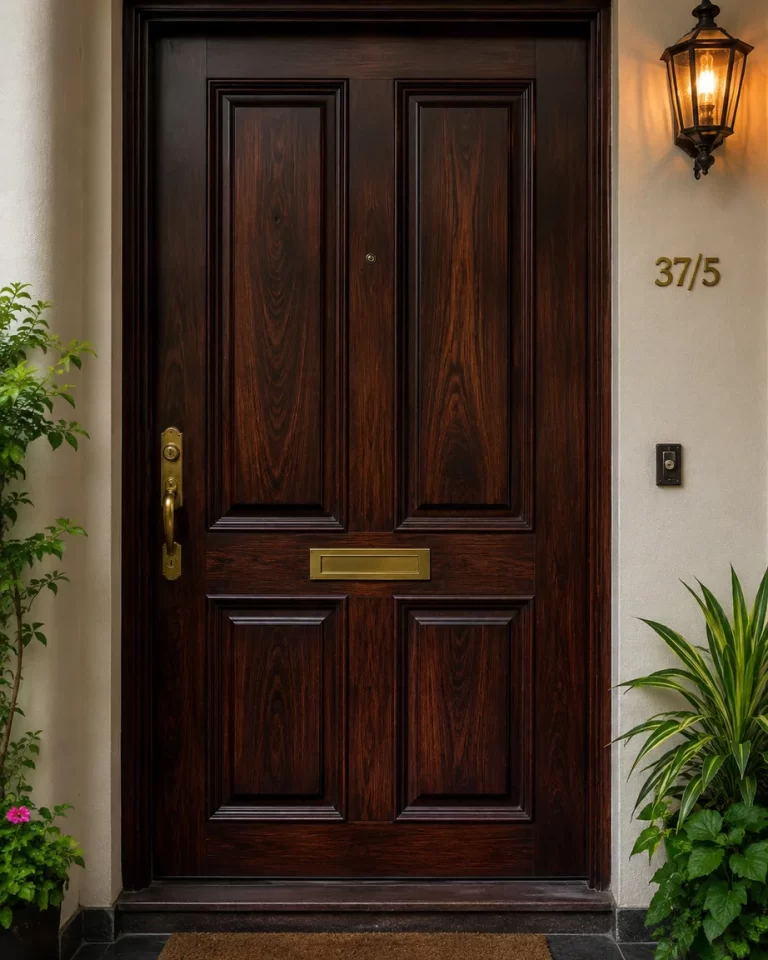
যাদবপুরে আমার এক স্বপ্নপুরী ছিল। হ্যাঁ, ওই সেই সাদা গোল বাড়িটা, আর তার ব্রাউন রঙের দরজা, একটা গোল হাতল যেটা ঘোরালেই দরজা খুলে যেত, আর সেই দরজার ওপরে পিতলের ফলকে লেখা 37/5 জ্বল-জ্বল করত। বাড়ীর সামনে এক-ফালি জমি, তাতে কিছুটা বাগান, জমি পেরিয়ে লাল সিমেন্টে সবুজ বর্ডার দেওয়া বারান্দা। জাদু ছিল ওই দরজা পেরিয়ে।

দরজা পেরিয়ে ছোট্ট একটা ঘর, এ ঘরের চেহারা মাঝে মাঝেই বদলাত। কখন তাতে পড়ার টেবিল, কখন বসার জায়গা, কখনো খালি, কখন মোটর-সাইকেল, কখন কোন সকালে টেবিলের ওপর চেয়ার চড়িয়ে তার ওপর ছোট্ট দাদার গ্যাঁট হয়ে বসে মহারাজ হয়ে যাওয়া, বা দেখিয়ে দেখিয়ে মজা করে অল্প অল্প নুন খেতে খেতে ছোড়দির গুন-গুন করে গান গাওয়া। জিজ্ঞেস করলাম, “কি খাচ্ছিস রে?” উত্তর এলো “খাবি?” বললাম, “হ্যাঁ”। “তাহলে চোখ বন্ধ করে হা কর।“ তার পর মুখে এক মুঠো নুন ঠুসে দেওয়া — হা হা হা হা হা।      

ছবিতে যাদের দেখা যাচ্ছে সে সম্বন্ধে ছোড়দি [সমাপিকা] জানাল যে বাঁ-দিক থেকে ডান দিকে, (১-২) দাদা [মহীরূহ]  ছোড়দিকে [সমাপিকা] ধরে দাড়িয়ে, (৩) দিদি [স্বাগতা] , (৪) সেজদি [সীমন্তিকা],  আর (৫) মেজদি [সুশান্তা । [৩০ ডিসেম্বর, ২০২৪]

সঞ্জয় বন্দ্যোপাধ্যায় ৽ কলকাতা ৽ ২৮শে ফেব্রুয়ারী ২০২৪      

আরেকটু : লেখা প্রকাশের প্রায় ১১ মাস পর ছবিটা জুড়ে দিলাম। ছবি পরিচিতি আরও দিন দুয়েক পরে।

Three miles on a bicycle .. Ramnagar in 1960

First Posted on May 1, 2012 by sitardivine

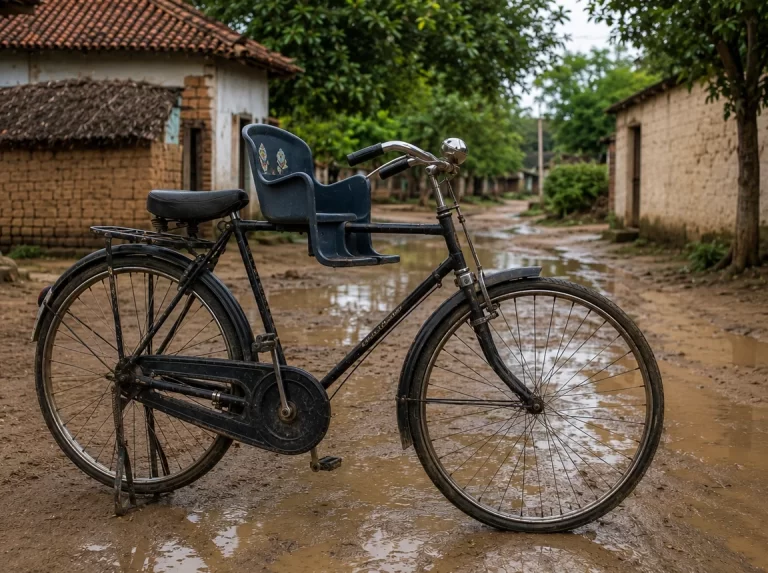
I still remember the three miles on a bicycle, seating on a small seat in front of my father. Now I know it was 24 October in the year 1960. A little calculation tells me that I was then six years old. We went to Ramnagar two days earlier. I did not understand why we were there but liked the rural ambiance… the huge expanse of paddy ground.. the sunflowers… the trees everywhere.. the Magnolia tree in front of the small bungalow.  Huge playground not far from the house.. the smell of cooking of fresh chicken or hunted duck curry in the evening… the tube-well on the other side.. the blackberry and custard apple trees… the litchi tree, the olive and tamarind trees … the flowers.. the breeze.. the fresh air, clear moonlit sky far from the madding Calcutta crowd.

Papa told me that he would go somewhere a bit far from Ramnagar. I constantly went on requesting that I would like to be with him.

So, he tried to arrange some transport to accommodate me and finally managed to find a bicycle that has a small seat in the front. I was happy and took the ride with him on that little red baby seat. I remember there were quite a few others who were in the group and all on bicycles. It was a bumpy village road and too long for me on that uncomfortable seat. Still, I enjoyed the ride.. the only bicycle ride I ever had with my father!

I don’t clearly remember how Bado-Jatha [my uncle] joined us. Now I know that his presence was very important, he had to sign the gift deed on behalf of Dadu [grandfather]. He transferred the land to Papa’s name.  I remember I saw Jatha [jathA]  at Chandpara. He was there at the Sub-Registrar’s office. Jatha possibly reached there directly by train from Calcutta on the same day. I remember Arekta-Jatha [another uncle] came to the office with us. He was among us in the Ramnagar bicycle group.


View Larger Map

Oh yes! I forgot to tell you what Ramnagar was.  This was a name of a place that my Dadu owned. This was not far from the then Pakistan border at Bangaon. This was about three miles from Chandpara and two and a half-mile from Thakurnagar, the two close-by railway stations. This is now under the post office Ramchandrapur.  Dadu [grandfather] purchased a piece of land during early 1940s or late 1930s. I hear that it was a stretch of 4000 bighas  [1322.4 Acres  or 532.2 hectare]. After Indian independence the government introduced land ceiling and he lost a large part of the land [He never received any compensation on that though!]. However, at one point the land area came to as little as around 6.5 acres and at that point Dadu decided to gift the land to my father.  Now I can imagine, that too was not too small an area..

Back to the story and making the long story short, the land got transferred to Papa after the legal formalities and we all came back to Ramnagar.

I discovered that Gift-deed today lying in an old worn-out packet… Today is the 2012 May Day (01 May]. I thought digitization of the document is a good idea. So, I scanned the document and here it is for you.. It feels good to lay my hands over these old pieces of paper that no more possess the symbol of ownership. The land is still there but not with us… but the memory is still fresh and alive.. Enjoying the old memories!

Some updates:

My Dada [Mahiruha Shekhar Banerjee] called me after looking at the draft post and pointed out that Dadu actually purchased 1600 bighas [526.96 acre or 214.08 hectare] of land in the year 1935.

সাইকেলে তিন মাইল… ১৯৬০ সালের রামনগর

প্রথম প্রকাশ: ১ মে, ২০১২ | sitardivine

আমি এখনও স্পষ্ট মনে করতে পারি – বাবার সাইকেলের সামনে ছোট্ট একটা সিটে বসে তিন মাইল রাস্তা। এখন জানি, সেটা ছিল ২৪ অক্টোবর, ১৯৬০ সাল। একটু হিসেব করলেই বোঝা যায়, তখন আমার বয়স ছিল ছয়। আমরা রামনগরে গিয়েছিলাম তার দু’দিন আগে। ঠিক কেন গেছি, সেটা তখন বুঝিনি, কিন্তু গ্রামবাংলার পরিবেশ দারুণ লেগেছিল—ধানের মাঠের বিশাল বিস্তার, সূর্যমুখী ফুল, চারদিকে গাছগাছালি, ছোট্ট বাংলো বাড়িটার সামনে ম্যাগনোলিয়ার গাছ। একটু দূরে বিশাল খেলার মাঠ, সন্ধেবেলায় রান্না করা টাটকা মুরগি বা শিকার করা হাঁসের ঝোলের গন্ধ, এক পাশে টিউবওয়েল, জামরুল আর আতা গাছ, লিচু, জলপাই ও তেঁতুল গাছ… ফুল, হাওয়া, নির্মল বাতাস, আর স্পষ্ট জ্যোৎস্না – সব মিলিয়ে এক অন্য জগৎ, কলকাতার কোলাহল থেকে অনেক দূরে।

বাবা বললেন, উনি একটু দূরে কোথাও যাবেন। আমি বারবার আবদার করতে লাগলাম—আমিও যাব, আমিও যাব। শেষমেশ, আমার জন্য একটা ব্যবস্থা করে ফেললেন। সামনে ছোট্ট একটা সিটওয়ালা সাইকেল পেলেন, আর তাতেই আমি উঠে বসলাম, একেবারে লাল রঙের বাচ্চাদের সিট। খুব খুশি হয়ে চেপে বসলাম। মনে আছে, আমরা একটা দলের অংশ ছিলাম—সবাই সাইকেলে। কাঁচা গ্রাম্য রাস্তা, আমার মতো খুদে বালকের জন্য বেশ লম্বা আর অস্বস্তিকর ছিল সেই সফর, কিন্তু উপভোগ করেছিলাম—বাবার সঙ্গে আমার জীবনের একমাত্র সাইকেল-ভ্রমণ!

বড় জেঠু ঠিক কীভাবে আমাদের সঙ্গে যোগ দিলেন, স্পষ্ট মনে নেই। তবে এখন জানি, উনি খুব গুরুত্বপূর্ণ ছিলেন—দাদুর পক্ষে গিফট ডিডে সই করার দায়িত্ব ছিল ওনার। সেই জমি বাবার নামে হস্তান্তরিত হয়েছিল। মনে আছে, চাঁদপাড়ায় জেঠুকে দেখেছিলাম—সাব-রেজিস্ট্রার অফিসে। সম্ভবত উনি সেদিনই কলকাতা থেকে ট্রেনে এসে পৌঁছেছিলেন। আরও একজন জেঠু, যাঁকে আমরা “আরেকটা-জেঠু” বলতাম, তিনিও আমাদের সঙ্গে অফিসে গিয়েছিলেন। উনিও ছিলেন রামনগর সাইকেল দলের একজন।

ও হ্যাঁ! রামনগর ব্যাপারটা বলা হয়নি। এটা ছিল দাদুর কেনা একটি জায়গা, বনগাঁর কাছে, তৎকালীন পাকিস্তান সীমান্ত থেকে খুব দূরে নয়। চাঁদপাড়া থেকে প্রায় তিন মাইল আর ঠাকুরনগর থেকে আড়াই মাইল দূরে। এখন এই জায়গা পড়ে রামচন্দ্রপুর ডাকঘরের অধীনে। দাদু সম্ভবত ১৯৪০-এর দশকের শুরু বা ১৯৩০-এর দশকের শেষে প্রায় ৪০০০ বিঘা জমি (১৩২২.৪ একর বা ৫৩২.২ হেক্টর) কিনেছিলেন [এটি সঠিক নয়, ঠিক তথ্যের জন্যে নিচে দেখুন] । স্বাধীনতার পরে জমি সংস্কার আইনে অনেকটা জমি চলে যায় (যার বিনিময়ে কোনো ক্ষতিপূরণও পাননি)। এক সময় জমির পরিমাণ কমে এসে দাঁড়ায় ৬.৫ একরে, তখনই দাদু ঠিক করেন এই জমিটা বাবাকে উপহার দেবেন। এখন ভাবলে, সেটাও তো কম কিছু নয়।

আর সেই ঘটনা সংক্ষেপে বললে—আইনি প্রক্রিয়া সম্পন্ন হয়ে জমির মালিকানা বাবার নামে চলে যায়, আর আমরা সবাই আবার রামনগরে ফিরে আসি।

আজ হঠাৎ পুরনো এক প্যাকেট থেকে সেই গিফট-ডিডটা বেরিয়ে পড়ল… আজ ১ মে ২০১২, মে-ডে। ভাবলাম, ডকুমেন্টটা ডিজিটাল করে রাখাই ভালো হবে। স্ক্যান করে এখানে দিলাম তোমাদের জন্য। জমির মালিকানা নেই, কিন্তু সেই কাগজের ছোঁয়া এখনও এক অনুভূতির জন্ম দেয়। জমি আজও আছে, তবে আমাদের নয়—তবে স্মৃতিটা একেবারে টাটকা, জীবন্ত।

নতুন তথ্য:
আমার দাদা (মহীরুহ শেখর ব্যানার্জি) ফোন করে জানালেন, দাদু আসলে ১৯৩৫ সালে ১৬০০ বিঘা (৫২৬.৯৬ একর বা ২১৪.০৮ হেক্টর) জমি কিনেছিলেন।

साइकिल पर तीन मील… 1960 का रामनगर

प्रथम प्रकाशन: 1 मई 2012 | sitardivine

मुझे आज भी याद है—बाबा की साइकिल के सामने लगी छोटी सी सीट पर बैठकर तीन मील का सफर। अब मुझे पता है, वह दिन था 24 अक्टूबर 1960। थोड़ा हिसाब लगाने पर पता चलता है कि मेरी उम्र तब छह साल थी। हम दो दिन पहले रामनगर पहुँचे थे। मुझे यह नहीं समझ में आया कि हम वहाँ क्यों थे, लेकिन गाँव का वातावरण बहुत भाया—चारों ओर फैले धान के खेत, सूरजमुखी के फूल, पेड़ों की भरमार, उस छोटे से बंगले के सामने मैगनोलिया का पेड़। घर से थोड़ी दूर एक बड़ा खेल का मैदान, शाम को ताज़े मुर्गे या शिकार की हुई बतख के झोल की खुशबू, दूसरी तरफ ट्यूबवेल, जामुन और शरीफा के पेड़, लीची, जैतून और इमली के पेड़… फूल, हवा, ताज़गी, और चाँदनी रात—सब कुछ बहुत ही सुकूनदायक था, कोलकाता की भीड़-भाड़ से बहुत दूर।

पापा ने कहा कि उन्हें रामनगर से थोड़ी दूर कहीं जाना है। मैंने ज़िद पकड़ ली कि मैं भी उनके साथ चलूँगा। फिर उन्होंने कोई इंतज़ाम करने की कोशिश की और एक ऐसी साइकिल मिल गई, जिसमें आगे एक छोटा सा सीट था। मैं बहुत खुश हुआ और उस छोटी लाल सीट पर बैठ गया। याद है, और भी कुछ लोग थे हमारे साथ—सब साइकिल पर। वह एक ऊबड़-खाबड़ गाँव की सड़क थी, और मेरे जैसे छोटे बच्चे के लिए काफी लंबा सफर। लेकिन फिर भी मैंने उस सवारी का पूरा मज़ा लिया—बाबा के साथ मेरी पहली और आखिरी साइकिल की सवारी!

मुझे ठीक से याद नहीं कि बड़े-ज्येष्ठा (मेरे चाचा) हमारे साथ कैसे जुड़े, लेकिन अब समझ में आता है कि उनका साथ होना ज़रूरी था—दादाजी की तरफ से गिफ्ट-डीड पर हस्ताक्षर करने की ज़िम्मेदारी उन्हीं की थी। उसी दिन ज़मीन पापा के नाम ट्रांसफर की गई। मुझे याद है, ज्येष्ठा को मैंने चाँदपाड़ा में देखा था, सब-रजिस्ट्रार ऑफिस में। शायद वो उसी दिन ट्रेन से कोलकाता से आए थे। और एक चाचा, जिन्हें हम “अरेक्ता-ज्येष्ठा” कहते थे, वो भी हमारे साथ ऑफिस में गए थे—रामनगर साइकिल समूह के सदस्य।

ओह हाँ! मैंने बताया ही नहीं कि रामनगर क्या था। यह वह जगह थी जो मेरे दादाजी की थी। यह बांगांव के पास, तत्कालीन पाकिस्तान सीमा से बहुत दूर नहीं थी। यह चाँदपाड़ा से तीन मील और ठाकुरनगर से ढाई मील दूर था—दोनों पास के रेलवे स्टेशन। अब यह रामचंद्रपुर पोस्ट ऑफिस के अंतर्गत आता है। दादाजी ने 1940 के प्रारंभ या 1930 के अंत में लगभग 4000 बीघा (1322.4 एकड़ या 532.2 हेक्टेयर) ज़मीन खरीदी थी। आज़ादी के बाद सरकार ने ज़मीन की सीमा तय की और उन्होंने अधिकांश ज़मीन खो दी (उन्हें कभी कोई मुआवज़ा नहीं मिला!)। बाद में ज़मीन घटते-घटते करीब 6.5 एकड़ रह गई, और तभी दादाजी ने वह ज़मीन मेरे पापा को उपहार देने का निर्णय लिया। अब सोचता हूँ, वो भी कोई छोटी ज़मीन नहीं थी।

कहानी को संक्षेप में कहें तो—कानूनी प्रक्रिया पूरी होने के बाद ज़मीन पापा के नाम हो गई और हम सब रामनगर लौट आए।

आज एक पुरानी, फटी-पुरानी फाइल से वह गिफ्ट डीड निकल आई… आज 1 मई 2012 है, मई दिवस। सोचा इसे डिजिटाइज़ कर दूँ। तो मैंने दस्तावेज़ स्कैन कर दिया—ये रहा। इन पुराने कागज़ों को छूना अब भी एक सुकून देता है, भले ही अब ये मालिकाना हक का प्रतीक नहीं रहे। ज़मीन आज भी है, लेकिन हमारे पास नहीं… पर यादें अब भी ताज़ा हैं—और वही यादें अब भी जीवन का हिस्सा हैं।

कुछ अपडेट्स:
मेरे दादा (महीरुह शेखर बनर्जी) ने पोस्ट का ड्राफ्ट देखने के बाद कॉल किया और बताया कि दादाजी ने वास्तव में 1935 में 1600 बीघा (526.96 एकड़ या 214.08 हेक्टेयर) ज़मीन खरीदी थी।

Remembering Peejush Prasanna on 01 January 2009 evening

First Posted on August 15, 2012 by sitardivine

A Report by Sanjoy Bandopadhyay [copied from ‘Family Wiki’]

It was 6:15 in the evening, the call-bell rang. I got angry because I told everyone to keep the house gate unlocked – we were expecting our people to come. I thought it was Rushai who locked the door and I was about to shout at him – just then Mim commented – “Kuttipishi [Apun] has come”. I looked down from the first floor balcony and a pleasantly surprised to discover Mim was correct. Yes, it was my sweet Kuttididi and my sweet sis was confident that the door was locked – which was actually not so. She is such a good soul, simple and true!

I gave some good thoughts on how we can observe this first day of 2009 in the family. It was not easy for me to plan and manage. Finally we decided that it may be a simple one. The first thing I did was to take the phone out of the cradle and start dialing the few numbers that were almost my own numbers. It was nice to feel the warmth. Most of them said that they will make it – a few said that they won’t be able to – I could understand – After all, it was January 1, this is a day to celebrate, to go naughty, to have a special free day — to prepare for the year long routine – But, sure I did not reach all to whom I should have – thinking formally — No, it was January 01 for me too – so ‘’ Bura na mano – New Year day hai – “ Still, I can easily see I missed many. I especially missed Apu [Sandipan Mukherjee] – I shall tell you why when the time comes –

The clocked ticked by – I started getting nervous – and praying for the next soul to arrive. To my great pleasure Dada and Didin came. We were so happy! But yes, I missed some souls here too – but took caution and remembered not to ask anything — after all it was January 01. After sometime this little house was full – and I forgot everything – and started enjoying the collective consciousness – the consciousness created in a group of similar minds. I am glad that Dadabhai [Pranab] and Didibhai [Sathi] also made it. I knew how important was the 01 January evening for them too – but they chose to join us, I was very glad.

Everyone took care to first go to the thakurghar and pay their homage. It was very simple at the Thakurghar where we garlanded Thakur and Dadu-Thakuma with thick ‘Rajanigandhar mala’. Papa’s photo was just there on the table where Rakhi spread a clean white cloth. A pack of India Kings cigarette, a match box and a 100 gram Cadbury Milk Chocolate bar were there on the table as a treat to him. Rakhi read the ‘Satyanarayaner Panchali’ before Thakur. Kuttididi [Apun] joined her during the puja.

People actually arrived after the pujas was over. All went to put their homage [Pranam] to Thakur, and also Peejush Prasanna. Then we enjoyed two and a half hours uninterrupted joy! We just forgot time – we talked about Papa, we saw 145 old photographs and tried to put our brains to discover who they were! They were all our near ones – but we could not recognize many – Here Didin was the champion, she knew many of them – Dada was not behind – he also knew many – Mejdi also tried to help – Chhordi recognized some of her own photographs – It felt so good – such an enjoyable exercise—I am happy that Didin could not leave us early – and almost missed her appointment— I thought – all must go crazy – it was January 01. In between we were served tea in small plastic cups – I don’t know from where these came – I did not get them this morning. Actually, Rushai and I went to Lake Market to buy a few things including disposables – but we did not buy plastic cups— it must be Rakhi or Ma’s magic from old stock. Then we were served ‘Bake Club’ packets. Then someone told that we should have the ‘prasad’ first. So, Rakhi started the Prasad distribution arrangement. I must not forget to mention Dipankar, my student. Let me tell you Dipankar is an excellent flautist. He came around 4 in the afternoon. Since then he was busy in all the arrangements – be it heating the Chicken Piccadilly, vegetable patties or repacking them in the box and serving us.

The day ended with many promises – we promised to assemble periodically – we should remember the dripping love and affections of our seniors and should get inspired – We should spread the message of Love. We also remembered The ‘Absolute Truth’, which Papa used to propagate amongst his closest ones.

Before closing I must not forget to mention that Rushai took all the photographs – so it has become possible to create this photo-report.

Finally us, who assembled on this evening [typed without any specific sequence]: Didin [Swagata Banerjee], Dada [Mahiruha Shekhar Banerjee], Banudi [Arundhati Chakraborty], Baudi [Suchishubhra Mukherjee], Mejdi [Sushanta Siromoni], Chhordi [Samapika Sil], Tuki [Tuki Banerjee], Aindri [Aindrila banerjee], Nandada [Nandan Sil], Kuttididi [Sharmila Sivadasan], Rajada [Sivadasan], Dadabhai [Pranab Dutta], Didibhai [Sathi Dutta], Suju [Sulata Ghosh], Arun [Arun Ghosh], Mityl [Mityl Chakravarty], Manali [Manali Chakravarty], Bubu [Kastoori Guha Siromoni], Babi [Sushmita Siromoni], Tuntu [Ashmita Siromoni], Johny [Arunima Ghosh], Ratu [Ritwik Banerjee], Soma [Soma Banerjee], Rahuli [Arijit Mukherjee], Ishita [Ishita Mukherjee], Mainak [Mainak Banerjee], Dipankar [Dipankar Mukherjee], Anjanda [Anjan Chakraborty – joined late] and we in the house — Maa [Leela Banerjee], Juam [Rakhi Banerjee], Mimmai [Shreemoyee Banerjee], Rushai [Rrik Banerjee] and I [Sanjoy Bandopadhyay]. To end let me type down Papa’s writing that I found in a tiny piece of paper. He wrote it on 13 September 1983 at Khairagarh. You may also find this included in the composed photograph above.
13/9/83

Religion Universal
In universal religion

Relegare has to be found

And relegere is to be done;

It is holy and blissful,

The search for relegare

That which binds

Can nothing but Truth alone,

Not the relative, the absolute one.

Read again means repeatation

The absolute truth in meditation,

This can be had from one who knows

Otherwise there is no end of toils.

Peejush Prasanna Banerjee

SB’s note:

I take the opportunity to write the meanings of two words those are not in common use.

relegere = to read or pursue together; the same root goes to legible and intelligent

relegare = to tie back, to bind fast

Aum Satyam Aum

Posted in BanerjeesZ-Space. Tags: . Bookmark the permalinkEdit

Peejush Prasanna my Father: A Brief Tribute

First Posted on August 15, 2012 by sitardivine

It was January 01, 2009—- a Kolkata morning

When I woke up this morning, opened my eyes on the first day of 2009 – I felt a bit strange. I was not very happy when I believed it would be a happier new year.

Today is different from the first day of 2008. On the last new-year day we were differently busy. That was the day when Papa departed us and took to the zone of timeless oneness.

Then a year passed. It was extremely eventful for me. I did many things, met with many new people, many new experiences, and many new inspirations. It gave me richer understanding of life and creations. But the ability to receive them and interpret them came from within.

I always knew that all these happened because a specific soul was here from 06 June 1920 to 01 January 2008. At times I felt Papa more closely than I had him during some of the earlier years. Some of his thoughts are gradually becoming My Thoughts. I believe this is the chain that helps Human grow.

On this day I wish to remember some of his thoughts. I wish to remember how he used to explain The Truth. How he valued the general truth of life and human deeds. I also proudly remember his never ending support to the people who needed it. I remember his voracious reading of books. He read all the books in two sections of Khairagarh University library within a few months! He read day and night without much sleep. I remember the days when he almost did not sleep for months and kept sitting on his small bed. I remember his getting very angry with little reasons. I remember the 50 eggs at Khairagarh that Papa, Rakhi, one year old Mim and I ate at dinner! That was Rakhi inspired ‘Egg Day’. Actually the idea came from a scene from the Sofia Loren’s Sunflower. I also remember his days and nights with Harry Potter!

The comments that came when this page was in ‘Family Wiki’

We Especially Remember Him Today

Today we are especially remembering him – trying to feel his presence more strongly. His affectionate Didubhai, his first grandchild has left for her office. Mim is a great follower of her Tata [grandpa]. She thought that her Tata would want it this way. But, she will be back early to join everybody in the evening. Today we are trying to run the activities as Papa would like. The Thakurbhog with some nicely cooked food, later evening Puja of Satyanarayan and the get together of the people who he loved most.
Sanjoy Bandopadhyay

[edit]

More Tributes 

Through the blessings of Lord Ram Thakur, we all assembled here to pay our highest regards / Pranams to Peejush Prasanna Banerjee. :: Pranab Dutta, 01 January 2009


I met Shri Peejush Prasanna, the father of my Guruji, Shri Sanjoy Bandopadhyay in 1980 at Khairagarh, whom i was lovingly addressing as Baba. He was a very kind, straight forward person with good guidance all the time. I pray God that his soul may always rest in peace.:: Dr R.Ramkalawon,Mauritius; 04 January 2009


My Kuttimama, Peejush Prasanna Banerjee, was my favourate Mama — because he liked me very much and he was fond of music. His sense of both vocal and instrumental music was beyond limits. When he used to play sitar the atmosphere of the place used to get surcharged with something great – it’s very difficult to exactly express that — I cannot express properly —– I would say, it used to become heavenly.

I also remember that once Kuttimama commented on me to my mother “ Bardi — Dekhbi akdin O kato kichhu karbe”. Kuttimamamr kathata bhebe ami eka eka chokher jal pheli aar ami nijeke santana dei je ato baro maper manushta Maa-ke oi katha bolechhilo.

Tanika Roy, Hyderabad

Posted in BanerjeesZ-Space. Tags: . Bookmark the permalinkEdit

Dadu; Raisahib Rajendra Lal Banerjee

Dadu

First Posted on August 15, 2012 by sitardivine

[This page was the opening note of the ‘Family Wiki’ that was live from 02 Nov 2008 to 14 August 2012.]

Note: The title is kept as ‘Dadu’ as we the grandchildren from his son’s side used to call him so.  Usual Bengali practice is, the grandchildren of the son’s side call their grandpa as ‘Thakurda’ and the grandchildren of the daughter’s side as ‘Dadu’. We used just the opposites.

Dadu, Raisahib Rajendra Lal Banerjee

Rajendra Lal Bandyopadhyaya (Bilash) also quite frequently remembered as Rai Sahib R.L. Banerjee [Ramanavami 1880 – 14 June 1965 (Ramnabami is an auspicious day for the Hindus).It is believed that the day is the birthday of Lord Ram, the eldest son of King Dasarath of Ayodhya) ] came out as a prolific personality in the society he belonged during his 85 years of life.His parents, Ramkrishna Bandyopdhyaya and Shibsundari Devi lived in their ancestral home at village Dehergati (locally pronounced as Deurgati) district Barishal, presenly in Bangladesh but he spent most of his life serving the Government in different parts of India, before finally settling down in Calcutta after retirement in 1934/1935. Rajendra Lal (The word Rajendra means the King of the Gods) did not live himself but lived with a very strong presence in the lives of hundreds in and outside his family. Around 1998 Amitabha Mukhrejee [Bubu] thought that there should be a big get together of all the members who find their root in RLB. Now again the mind-wave has showed its presence.

Raisahib Medal

The WISH of ‘Touch the Roots’ has come again alive. Mahiruha Keshari (Shekhar) Banerjee [Rintu] feeling the urge that this MUST happen. Mahiruha Shekhar called Sanjoy Bandopadhyay [Bublu] on 01 November 2008 and expressed his wish. Sanjoy also believes that there is a strong role of thought-undercurrent of ‘Knowledge about Life’. Sanjoy comments, “The philosophy, approach to life, the understandings are partly the result of the thoughts passed on to us by our ancestors —“. He says that “I talked with many members of OUR family — and I felt times without number that WE feel that we possibly have a soft-uniqueness. This may be true for all living individuals — but WE are more inclined to REDISCOVER ourselves.”

Posted in Banerjees. Tags: . Bookmark the permalinkEdit

Macmillan Publishers and Dadu’s Pen

First Posted on November 15, 2012 by sitardivine

/var/folders/rv/qtl4x5d11511pz6vr_jkgq100000gn/T/com.microsoft.Word/WebArchiveCopyPasteTempFiles/Dadu02.jpg
Raisaheb Rajendra Lal Banerjee

It was mid 80′s. I first chanced to have a glimpse of Dadu’s book on one of the many bookshelves at Anjanda’s house1. The two-storied building is so much packed with books that once you go in you have to almost breathe through the books. I always enjoyed this academic ambiance. Till then I did not know that Macmillan Publishers took interest in Dadu’s pen. I was very glad to discover this! I saw Dadu, my grandpa, as a saintly person in saffron, a person of very high reverence. I saw him with a long white beard. A person who had a very simple Bengali diet served with western cutleries. A spoon, a fork, and a knife to savor machher jhol, bhaat, khichudi or shukto! Isn’t it interesting? I witnessed him spending time in reading the slokas from the Bhagavat Geeta loudly or copying the Geeta with his wooden-handled pen-nib taking ink from an ink-pot or running charkha or writing letters to his sons in English! I hear that one of his pass-time was to multiply nine digits with nine digits and directly get the answer without a pen and paper. What an unusual combination of activities!!

Back to the main story. McMillan published ‘Mensuration and Elementary Surveying’ by Raisaheb R.L. Banerjee. Another book titled ‘Elements of Surveying and Relaying’ was first published in January 1926 from The Art Press, Calcutta. Here is the book in pdf format. Thanks to my dear Anjanda who very kindly allowed me to digitize the copy of the book in his collection.

Writing continues…

When I was happy to be able to lay my hands on one of Dadu’s books, I felt a bit uncomfortable without any link to his Macmillan publication. I faintly remembered that I saw the cardboard covers of that book in a huge wooden box at Ramnagar (3). I also remembered that I had a piece of the outer bind of that book. I tried to find that but could not locate it easily. Last week [last week of November 2012] I was talking to Dada (2) over the phone. He was writing on Banerjee’s and was Mensuration & Elementary Surveying

looking for as many details as he could. He was happy that I digitized Dadu’s book. He asked me if Dadu wrote something about himself in that book and so on. During the discussion, I mentioned to him Dadu’s Macmillan publication. He immediately said that he had a copy. It was really very exciting! I asked him if I could digitize the book. He readily agreed. Finally, he brought the book today. (4) I set the light, the camera, and all… my tiny DIY set-up [Do It Yourself set-up]. Dada turned the pages, put the glass sheet over the pages and I went on clicking my LUMIX. Finally, I had all the snaps and took the files to the computer. The thing got ready shortly for uploading. and here it is… Here is Dadu’s book Mensuration and Elementary Surveying by R.L. Banerjee [Rai Sahib], published by Macmillan & Co.,  Ltd, St. Martin’s Street, London published in 1934

——————

Four years have passed by since I wrote the upper part of this page. Today is Bijoya – 2016, the precise date is October 11. We were frantically searching for some horoscopes in all our cupboards, drawers, and all possible places—but failed to find them. Suddenly, I saw a postcard and became curious why we might have kept it with so much care! Then, I discovered that it was written by Dadu. I saw that the postcard space was divided into three sections. The first part was a letter to his youngest son—that was my father, this brief next part to his six-year-old grandson—that was I, and the third part was used for writing to his daughter-in-law—that was my mother.  Today, in 2016, it is also interesting to see the 5 paise postcard and our Behala address written to fill the address space. I would like to share the image. Here it goes—

(1) Anjan Chakravarty is a very serious book collector. He is my brother-in-law and married to my cousin-sis Arundhati [Banudi]

(2) Mahiruha Shekhar Banerjee [widely known as M.S. Banerjee]

(3) Ramanagar was our farmhouse near Bangaon. Click for some details.

(4) 02 December 2012

Posted in BanerjeesZ-Space. Tags: . Bookmark the permalinkEdit

Here is the translation of the given passage in:


প্রথম প্রকাশ – ১৫ নভেম্বর, ২০১২ | লেখক: sitardivine

সেটা আশির দশকের মাঝামাঝি। প্রথমবার একদিন আমি দাদুর বইটা দেখেছিলাম অঞ্জনদার বাড়ির এক বইয়ের তাকের ওপর। দুই তলা ওই বাড়িটা এত বইয়ে ভর্তি ছিল যে একবার ঢুকলে মনে হত যেন বইয়ের মধ্য দিয়েই নিঃশ্বাস নিতে হচ্ছে! আমি সবসময়ই এই রকম একাডেমিক পরিবেশ উপভোগ করতাম। তখনও জানতাম না যে ম্যাকমিলান পাবলিশার্স দাদুর লেখায় আগ্রহ দেখিয়েছিল। এটা জেনে আমি খুব আনন্দিত হয়েছিলাম!

আমি দাদুকে দেখেছিলাম গেরুয়া কাপড় পরা এক সাধুর মতো মানুষ হিসেবে, অত্যন্ত শ্রদ্ধার পাত্র। তাঁর সাদা লম্বা দাড়ি ছিল। তিনি খুবই সাধারণ বাঙালি খাবার খেতেন, তবে তা খেতেন পশ্চিমী ছুরি-চামচ-কাঁটা চামচ দিয়ে! একটা চামচ, একটা ফর্ক আর একটা ছুরি দিয়ে মাছের ঝোল, ভাত, খিচুড়ি বা শুক্তো খাওয়া—অদ্ভুত লাগে না? আমি দেখেছি তিনি গীতা পাঠ করতেন উচ্চস্বরে, কখনও কাঠের হ্যান্ডেলওয়ালা কলমে হাতে লিখতেন, কালির পাত্রে কলম ডুবিয়ে, কখনও চরকা কাটতেন, কখনও বা ছেলেদের ইংরেজিতে চিঠি লিখতেন। শুনেছি, তাঁর শখ ছিল ৯ সংখ্যার সাথে ৯ সংখ্যার গুণফল মুখে মুখে করে ফেলা—কলম-কাগজ ছাড়াই! কী অদ্ভুত সব কাজে নিজেকে নিয়োজিত করতেন!

আসল গল্পে ফিরি। ম্যাকমিলান প্রকাশ করেছিল ‘মেনজুরেশন অ্যান্ড এলিমেন্টারি সার্ভেয়িং’ বইটি, লেখক ছিলেন রাইসাহেব আর.এল. ব্যানার্জি। অন্য একটি বই, ‘এলিমেন্টস অফ সার্ভেয়িং অ্যান্ড রিলেয়িং’, প্রথম প্রকাশিত হয় ১৯২৬ সালের জানুয়ারিতে, আর্ট প্রেস, কলকাতা থেকে। এখানে সেই বইয়ের পিডিএফ রূপ আছে। ধন্যবাদ প্রিয় অঞ্জনদাকে, যিনি বইটা ডিজিটাইজ করতে দিয়েছিলেন।

লেখা চলছেই…

যখন দাদুর একটা বই হাতে পেলাম, খুব আনন্দ হয়েছিল, তবে ম্যাকমিলানের প্রকাশনার কোনো সংযোগ পাচ্ছিলাম না বলে খানিকটা অস্বস্তিও লাগছিল। মনে পড়ল, একটা কাঠের বড় বাক্সে, রামনগরে বইটার কার্ডবোর্ড কভার দেখেছিলাম কোনো এক সময়ে। মনে হল, বাইন্ডিংয়ের একটা অংশও হয়তো আমার কাছে ছিল। খুঁজে দেখলাম, কিন্তু সহজে পেলাম না।

নভেম্বর ২০১২-এর শেষ সপ্তাহে আমি দাদার (মহীরুহ শেখর ব্যানার্জি) সঙ্গে ফোনে কথা বলছিলাম। তিনি তখন ব্যানার্জিদের নিয়ে কিছু লিখছিলেন, আর সেই ‘মেনজুরেশন অ্যান্ড এলিমেন্টারি সার্ভেয়িং’ নিয়ে যতটা সম্ভব তথ্য খুঁজছিলেন। শুনে খুশি হলেন যে আমি দাদুর বইটা ডিজিটাইজ করেছি। জিজ্ঞাসা করলেন দাদু কি নিজের সম্বন্ধে কিছু লিখেছিলেন সেই বইয়ে। আলোচনার সময় আমি দাদুর ম্যাকমিলান প্রকাশিত বইয়ের কথা বললাম। সঙ্গে সঙ্গে বললেন, তাঁর কাছে একটা কপি আছে! কী উত্তেজনা! আমি জিজ্ঞেস করলাম, বইটা আমি কি ডিজিটাইজ করতে পারি? সঙ্গে সঙ্গে রাজি হয়ে গেলেন।

অবশেষে, ২ ডিসেম্বর ২০১২-তে, তিনি বইটা নিয়ে এলেন। আমি আলো, ক্যামেরা আর আমার ছোটখাটো DIY সেট-আপ প্রস্তুত করলাম। দাদা পাতা উল্টে দিচ্ছিলেন, আমি কাঁচের শিট পাতা উপর রেখে LUMIX ক্লিক করতে থাকলাম। সব ছবি তুলে ফাইল কম্পিউটারে নিলাম। আর তৈরি হয়ে গেল আপলোডের জন্য।

এই রইল দাদুর বই –
Mensuration and Elementary Surveying
লেখক: R.L. Banerjee (Rai Sahib)
প্রকাশক: Macmillan & Co. Ltd., St. Martin’s Street, London
প্রকাশকাল: ১৯৩৪

——————

এই পাতাটার ওপরের অংশ লিখে চার বছর কেটে গেছে। আজ বিজয়া, ২০১৬, দিনটা ১১ অক্টোবর। আমরা ঘর-বাড়ির সব আলমারি, ড্রয়ার ও সম্ভাব্য সব জায়গায় খুঁজছিলাম কিছু জন্মপত্রিকা—কিন্তু কোথাও পেলাম না। হঠাৎ একটা পোস্টকার্ড চোখে পড়ল, ভাবলাম এত যত্ন করে এটা কেন রেখে দিয়েছি?

তারপর দেখলাম, সেটা দাদুর লেখা! পোস্টকার্ডটা তিন ভাগে বিভক্ত ছিল। প্রথম অংশটা তাঁর ছোট ছেলেকে উদ্দেশ্য করে লেখা—সে আমার বাবা, মাঝের ছোট অংশটা ছয় বছরের নাতি—অর্থাৎ আমাকে উদ্দেশ্য করে, আর তৃতীয় অংশটা পুত্রবধূর জন্য—অর্থাৎ আমার মাকে লেখা।

আজ ২০১৬ সালে দাঁড়িয়ে, সেই ৫ পয়সার পোস্টকার্ড আর বেহালার ঠিকানা দেখে মনে হল একটা টুকরো ইতিহাস চোখের সামনে চলে এল। তার একটা ছবি এখানে দিচ্ছি—


प्रथम प्रकाशन – 15 नवम्बर, 2012 | लेखक: sitardivine

यह बात है 1980 के दशक के मध्य की। पहली बार मैंने दादू की किताब की एक झलक अंजनदा के घर की एक शेल्फ में देखी। वह दो-मंजिला मकान इतना ज़्यादा किताबों से भरा हुआ है कि एक बार अंदर चले गए तो ऐसा लगता है जैसे किताबों के बीच से साँस लेनी पड़ रही हो। मुझे हमेशा से ऐसा अकादमिक माहौल बहुत पसंद रहा है। तब तक मुझे यह जानकारी नहीं थी कि मैकमिलन पब्लिशर्स ने दादू की कलम में रुचि दिखाई थी। यह जानकर मैं बेहद प्रसन्न हुआ!

मैंने दादू को हमेशा गेरुए वस्त्रों में, एक तपस्वी जैसे देखा था—बेहद श्रद्धेय व्यक्तित्व। उनकी लंबी सफेद दाढ़ी थी। वे बिल्कुल साधारण बंगाली खाना खाते थे, पर पश्चिमी चम्मच, कांटे और चाकू से! सोचिए, माछेर झोल, भात, खिचुड़ी या शुक्तो—इन सबको चम्मच-छुरी-कांटे से खाना! मज़ेदार नहीं है?

मैंने उन्हें भगवद्गीता के श्लोक ऊँचे स्वर में पढ़ते, लकड़ी की हैंडलवाली निब से लिखते, दवात में डुबाकर, चरखा चलाते या अपने बेटों को अंग्रेज़ी में पत्र लिखते देखा है। मैंने यह भी सुना है कि उनका एक शौक था—नौ अंकों से नौ अंकों का गुणा करना, बिना काग़ज़-कलम के सीधे उत्तर बता देना! क्या विचित्र संगम था उनके व्यक्तित्व में!

अब लौटते हैं मुख्य कथा पर। मैकमिलन ने ‘Mensuration and Elementary Surveying’ नामक किताब प्रकाशित की थी, लेखक थे रायसाहेब आर.एल. बनर्जी। एक और किताब ‘Elements of Surveying and Relaying’ जनवरी 1926 में द आर्ट प्रेस, कलकत्ता से प्रकाशित हुई थी। यहां उस पुस्तक की पीडीएफ प्रति है। इस पुस्तक को डिजिटाइज करने की अनुमति देने के लिए मैं अपने प्रिय अंजनदा का आभारी हूँ।

कहानी आगे बढ़ती है…

जब मुझे दादू की किताब हाथ लगी, तो बहुत खुशी हुई, लेकिन मैकमिलन वाली किताब से कोई कड़ी न होने के कारण थोड़ी सी असहजता भी हुई। मुझे हल्का-हल्का याद था कि रामनगर के एक बड़े लकड़ी के बॉक्स में उस किताब के कार्डबोर्ड कवर देखे थे। मुझे यह भी याद आया कि उस किताब की बाहरी जिल्द का एक हिस्सा मेरे पास था। मैंने खोजने की कोशिश की, पर वह आसानी से नहीं मिला।

नवम्बर 2012 के अंतिम सप्ताह में मेरी फोन पर बात हुई दादा (महिरुह शेखर बनर्जी) से। वे बनर्जी परिवार पर कुछ लिख रहे थे और ‘Mensuration and Elementary Surveying’ पर अधिक से अधिक जानकारी खोज रहे थे। उन्हें यह जानकर खुशी हुई कि मैंने दादू की किताब डिजिटाइज कर दी है। उन्होंने मुझसे पूछा कि क्या दादू ने उस किताब में अपने बारे में कुछ लिखा था। बातचीत के दौरान मैंने दादू की मैकमिलन वाली किताब का जिक्र किया। उन्होंने तुरंत कहा कि उनके पास एक प्रति है! कितना रोमांचक क्षण था वह! मैंने उनसे पूछा कि क्या मैं उस किताब को डिजिटाइज कर सकता हूँ? उन्होंने तुरंत अनुमति दे दी।

अंततः, 2 दिसंबर 2012 को, वे किताब लेकर आए। मैंने लाइट, कैमरा और अपनी छोटी सी DIY सेट-अप तैयार की। दादा पन्ने पलटते गए, मैंने पन्नों पर कांच रखकर अपनी LUMIX से क्लिक करता गया। सारे चित्र लेकर फाइल्स को कंप्यूटर में ट्रांसफर कर दिया और अपलोड के लिए तैयार कर लिया।

यह रही दादू की किताब –
Mensuration and Elementary Surveying
लेखक: आर. एल. बनर्जी (राय साहिब)
प्रकाशक: मैकमिलन एंड कंपनी लिमिटेड, सेंट मार्टिन्स स्ट्रीट, लंदन
प्रकाशन वर्ष: 1934

——————

इस पृष्ठ का ऊपरी हिस्सा लिखे चार साल हो गए। आज है विजया – 2016, तारीख है 11 अक्टूबर। हम सब अलमारी, दराज़ें, और हर संभव जगह पर कुछ कुंडली खोज रहे थे—पर नहीं मिली। तभी अचानक मुझे एक पोस्टकार्ड दिखा और जिज्ञासा हुई कि इसे इतने जतन से क्यों रखा गया है!

फिर पता चला कि यह दादू द्वारा लिखा गया था। पोस्टकार्ड को तीन हिस्सों में बाँटा गया था—पहला हिस्सा उनके सबसे छोटे बेटे को, यानी मेरे पिता को लिखा गया था; अगला छोटा हिस्सा उनके छह वर्षीय पोते—यानी मुझे संबोधित था; और तीसरा हिस्सा उनकी बहू—यानी मेरी माँ को।

2016 में खड़े होकर वह 5 पैसे का पोस्टकार्ड और हमारे बेहाला वाले पते को देखना एक अनूठा अनुभव था। मैं उसकी छवि साझा करना चाहता हूँ—