
Scroll down to the end for the Podcast audio
Back in the 1990s, when I was at Khairagarh, a question often kept me awake at night — What is good music?
One day, I scribbled a few rough lines trying to capture my restless thoughts. They were not polished, not even properly structured — just an honest attempt to wrestle with that elusive idea.
I showed my scratchy draft to Mr. K.B. Sunderesan, the librarian of Khairagarh University, a man of quiet intellect and refined taste. He read it, smiled, and said, “You must show this to my dear friend, Dr. N. Ramanathan.”
At that time, Ramanathan-jee was already regarded as one of the sharpest and most original minds in Indian musicology — a thinker destined, as we now know, to become a legend.
Both of them read my few pages and, to my surprise, were delighted. They said my reflections were “non-routine,” a polite way of saying my thoughts strayed from the beaten path — perhaps in a good way!
Their encouragement was enough to make me brave. They urged me to send it to the Editor of Ethnomusicology [Journal].
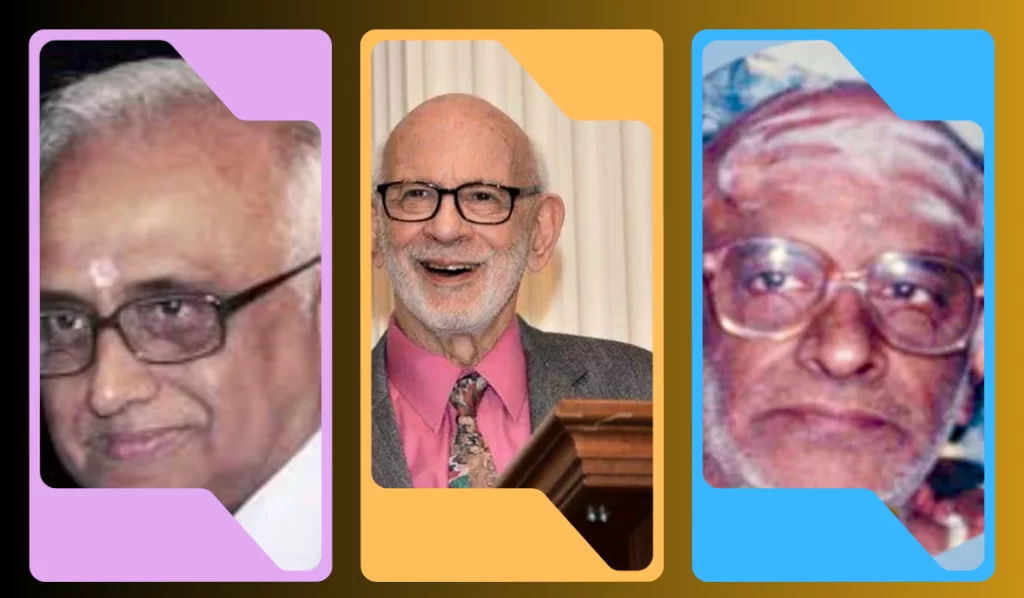
L to R : Prof. N. Ramanathan, Prof. Bruno Nettl, Sri K. B. Sundaresan
I gathered courage and dropped the manuscript in a red letter box in front of Khairagarh Post Office, not knowing what to expect. The manuscript reached none other than Professor Bruno Nettl, a name every ethnomusicologist revered.
Two months later, a tidy envelope with US postage stamps arrived at my doorstep. Inside was my carefully folded manuscript, returned gracefully, along with a warm, handwritten note from Professor Nettl himself.
He wrote that he had liked my piece — but that the current issue of the journal was focused on a different theme. He advised me to browse through the journal, study its structure, and understand its working style before resubmitting.
That note meant a lot to me. It wasn’t a rejection; it was an invitation to think deeper, to learn the rhythm of scholarly dialogue.
Years later, I became quite close to Professor Nettl. Every time I visited the University of Illinois at Urbana-Champaign, he would insist on taking me out for coffee. Those were memorable walks — he would show me spots with quiet historical resonance: where Tagore gave talks, where he stayed, and other such treasured corners of the campus. His company always left me with the sense that music, scholarship, and friendship can weave together in the most beautiful ways.
And then, just recently — after twenty-six long years — I stumbled upon something unexpected. On academia.edu, I found a verbal summary of that old write-up of mine.
Listening to it was like hearing my younger self speak again — a bit raw, but sincere. The five-minute narration captured the essence of my thoughts with remarkable clarity. It felt as if the ideas had found their own time and voice, gently resurfacing after all these years.
The write-up “Good Music: Creation and Appreciation“
Know Professor N. Ramanathan
Born on 21 May 1946 in New Delhi, Shri N. Ramanathan is a leading scholar, teacher, and motivator of research in music. He w a s educated a t t h e Sri Venkateswara University a t Tirupati and Banaras Hindu University, where h e took his PhD in musicology in 1980. Together with this, he received thorough training in Carnatic violin a n d vocal music from teachers including Kodanganallur Sri Subramanian, K. Mahadeva Bhagavatar, P. Ramanathan, V. Venkataramanujan, and D. Pasupathi. His teachers in musicology were S.R. Janakiraman and Prem lata Sharma, besides his wife Hema Ramanathan.
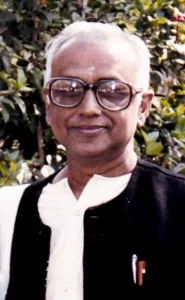
Starting out as a teacher at the Indira Kala Sangit Vishwavidyalaya, Khairagarh, Shri Ramanathan joined the Department of Indian Music, University of Madras, in 1978, where he served at a stretch for twenty-six years retiring as Professor in 2004. Over this period he wrote copiously on various facets of music and directed new research at the University by students who now carry on his work.
At present, he is associated with the Chennai Mathematical Institute as Adjunct Professor of Music. He continues his research supported by three websites created by himself. He has also been associated with Kalakshetra, Chennai, as a Distinguished Fellow.
Shri Ramanathan’s publications include Musical Forms in Sangitaratnakara (1999) and Essays o n Tala and Laya (1997) besides numerous papers and reviews published in periodicals. He has presented over a hundred papers at seminars on music in India and other countries. He also sings a n d plays the violin in public concerts and has performed on radio and television.
Shri Ramanathan was awarded a Fellowship of the Institute for Advanced Study, Indiana University, Bloomington, U.S.A., in 1991. Shri N. Ramanathan receives the Sangeet Natak Akademi Award for his contribution to scholarship in Indian music.
Hindi Translation
अच्छा संगीत — सुनदरेसन, रमणाथन, ब्रूनो नेट्ल और 2025 पॉडकास्ट की कड़ी
1990 के दशक की बात है, जब मैं खैरागढ़ में था। एक प्रश्न मुझे अक्सर रातों को जगाए रखता था — अच्छा संगीत आखिर है क्या?
एक दिन, बेचैनी में मैंने कुछ कच्ची-पक्की पंक्तियाँ लिखीं। न वे सुव्यवस्थित थीं, न ही परिष्कृत — बस एक ईमानदार कोशिश, उस अनकहे विचार को पकड़ने की।
मैंने वह खुरदरा मसौदा खैरागढ़ विश्वविद्यालय के पुस्तकालयाध्यक्ष, श्री के.बी. सुनदरेसन को दिखाया — शांत स्वभाव और परिष्कृत रुचि वाले व्यक्ति। उन्होंने पढ़ा, मुस्कराए और बोले,
“इसे मेरे प्रिय मित्र, डॉ. एन. रमणाथन को भी दिखाना चाहिए।”
उस समय रमणाथन-जी भारतीय संगीतशास्त्र के सबसे तेज और मौलिक चिंतकों में गिने जाते थे — एक ऐसा मन जो आगे चलकर दिग्गज कहलाने वाला था।
दोनों ने मेरी कुछ पन्नों की वह लेख पढ़ी और आश्चर्यजनक रूप से प्रसन्न हुए। उन्होंने कहा — “यह सामान्य नहीं है…!”
शायद उनका अभिप्राय यह था कि मेरे विचार अपनी पगडंडी खोज रहे थे — और संभवतः यह अच्छी बात थी।
उनके उत्साह ने मुझे साहसी बना दिया। उन्होंने आग्रह किया कि मैं इसे Ethnomusicology Journal के संपादक को भेजूँ। मैंने हिम्मत जुटाई और खैरागढ़ डाकघर के सामने लाल डाकपेटी में वह लिफ़ाफ़ा डाल दिया — यह जाने बिना कि उसका भाग्य क्या होगा।
वह पांडुलिपि पहुँची स्वयं प्रोफेसर ब्रूनो नेट्ल के हाथों में — वह नाम, जिसे हर एथ्नोम्यूज़िकोलॉजिस्ट श्रद्धा से लेता था।
दो महीने बाद, एक सलीकेदार लिफ़ाफ़ा, अमेरिकी डाक-टिकटों के साथ, मेरे पते पर पहुँचा।
उसमें मेरी पांडुलिपि सावधानी से मोड़कर लौटाई गई थी — साथ में स्वयं प्रो. नेट्ल का स्नेहभरा हस्तलिखित नोट।
उन्होंने लिखा था कि उन्हें मेरा लेख पसंद आया — परंतु जर्नल का वर्तमान अंक किसी अन्य विषय पर केंद्रित है। उन्होंने सलाह दी — “जर्नल को ध्यान से पढ़िए, उसकी संरचना समझिए, और फिर पुनः प्रस्तुत कीजिए।”
वह नोट मेरे लिए बहुत महत्वपूर्ण था। वह अस्वीकृति नहीं थी — वह निमंत्रण था —
और गहराई से सोचने का, शैक्षणिक संवाद की लय को समझने का।
कुछ वर्षों बाद, मैं प्रोफेसर नेट्ल के काफ़ी नज़दीक हो गया। जब भी मैं यूनिवर्सिटी ऑफ़ इलिनोई (अर्बाना-शैम्पेन) जाता, वे ज़िद करके मुझे कॉफ़ी पर ले जाते। वे मुझे ऐसे स्थान दिखाते जहाँ टैगोर ने भाषण दिए, जहाँ वे ठहरे थे — इतिहास की शांत गूँज वाले कोने। उनके साथ समय बिताकर हमेशा यह महसूस होता था कि संगीत, विद्वत्ता और मित्रता — तीनों एक-दूसरे में सुरीले ढंग से गुंथ सकते हैं।
और फिर, हाल ही में — पूरे छब्बीस वर्षों बाद — मुझे एक अप्रत्याशित चीज़ मिली। academia.edu पर मुझे मेरे उसी पुराने लेख का मौखिक सार मिला।
उसे सुनना ऐसा था जैसे मेरे भीतर का युवा स्वर फिर से जाग उठा हो — थोड़ा असावधान, पर एकदम सच्चा।
लगभग पाँच मिनट की वह प्रस्तुति मेरे विचारों का सार बड़ी स्पष्टता से कह गई। मानो वह बीज, जो वर्षों पहले बोया गया था, अपना सही समय चुनकर दुबारा अंकुरित हो उठा हो।यह यात्रा अब 2025 के एक नए पॉडकास्ट तक आ पहुँची है — वही पुराने सवाल साथ लिए।